
A weed doesn’t have to be growing nearby to trigger symptoms: ragweed pollen can travel hundreds of miles through the air. For weed pollen allergy... Continue reading
READ MORE
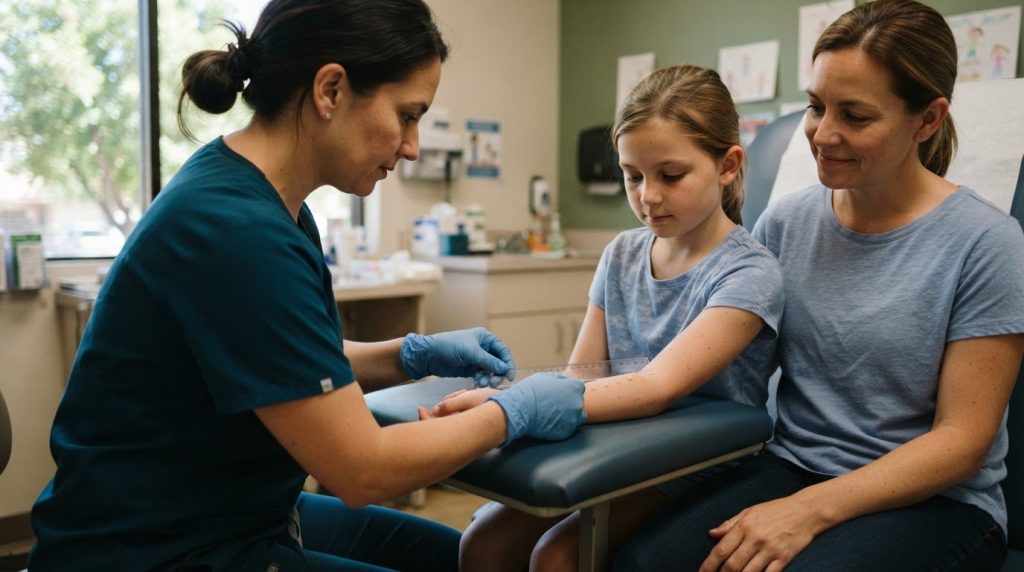
A skin prick test can identify reactions to selected tree pollen allergens, but the result is only one part of understanding seasonal symptoms. For tree pollen allergy testing in Clovis, clinicians consider findings alongside when symptoms appear and what you experience.
When sneezing, congestion, or itchy eyes keep returning, it is natural to want a clear answer. Testing can help identify which tree pollens may be relevant, so next steps are based on more than guesswork. This article explains how skin prick testing works, which tree pollen allergens it may assess, and how clinicians approach testing for children and adults. You’ll also learn why a positive result needs to be interpreted in context and how identifying a possible trigger can inform a conversation about symptom management.
A skin prick test checks whether the skin reacts to selected allergens, including tree pollen extracts. A clinician places small drops on the skin and gently pricks the surface through each drop. The test area is then observed for local reactions. The allergens selected help focus the evaluation on the symptoms and exposure patterns discussed.
For children, testing is tailored to their symptoms, medical history, and ability to participate. A parent or caregiver can describe when symptoms began, how they affect sleep or school, and whether they recur during a particular season. For example, recurring sneezing and itchy eyes in spring may help guide which pollen extracts are considered. Children may benefit from reassurance about the brief skin pricks and clear instructions during the appointment.
For adults, the same core test can help assess suspected pollen triggers alongside a history of symptoms. Note whether congestion, sneezing, or watery eyes occur outdoors, after yardwork, or at a recurring time of year. Hay fever refers to allergy-related symptoms affecting the nose and eyes. These details add context to skin test results and help assess whether pollen could be a trigger.
Clovis timing can provide useful context for either age group. Tree pollen often begins appearing locally in late January, though airborne amounts vary by season and geography. Fine, powdery pollen can travel hundreds of miles, so symptoms may not point only to trees near home. Patterns across cities or outdoor settings can still help when discussing possible exposures.
A positive skin response means the tested extract caused a reaction at the test site. It does not, by itself, explain every symptom. The clinician interprets the result alongside your history, including symptom timing and patterns. Bring a clear example, such as symptoms returning during spring walks. This context makes tree pollen allergy testing in Clovis more relevant to your daily experience.
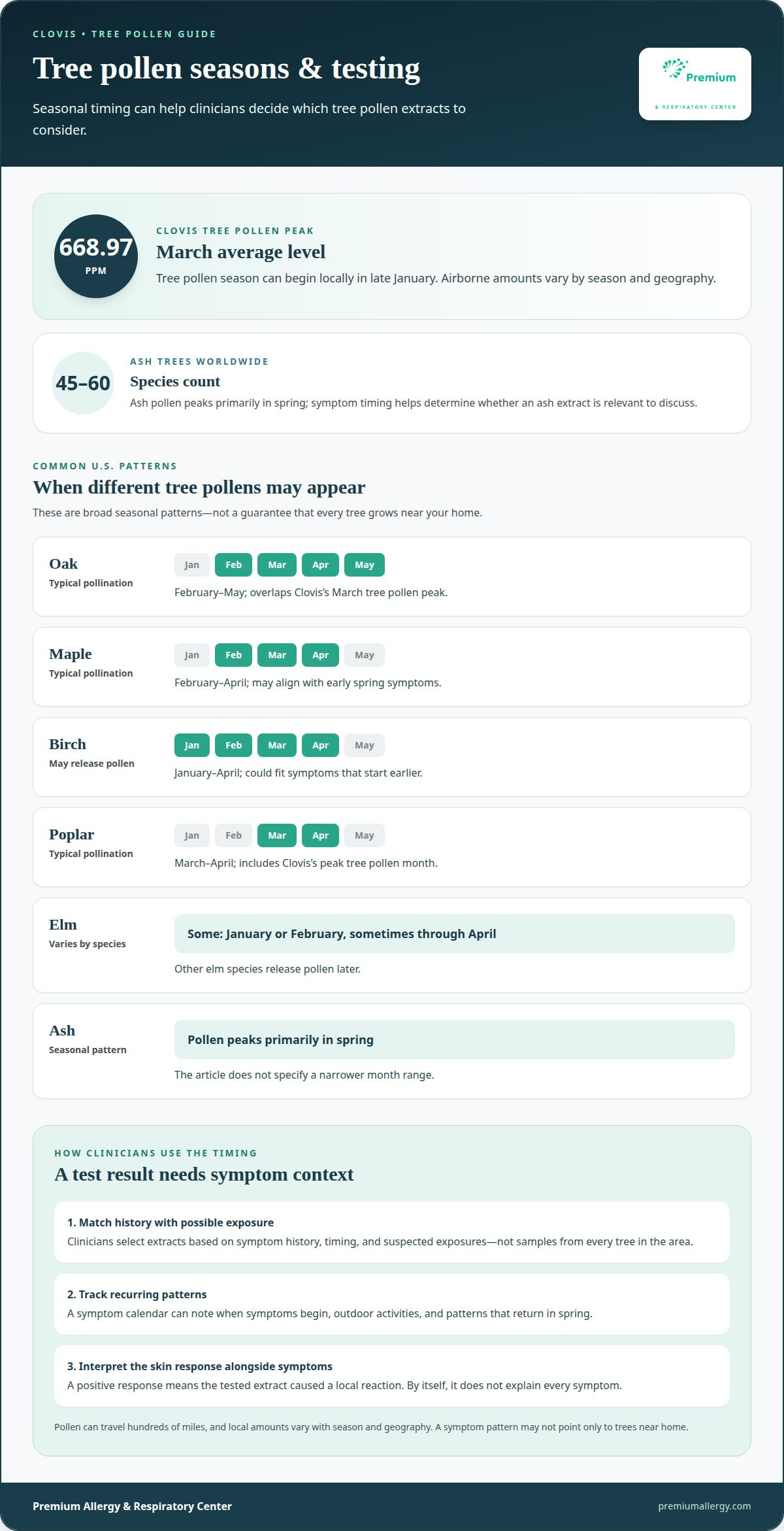
Tree pollen season in Clovis can begin in late January, with tree pollen levels peaking in March at an average of 668.97 PPM. Oak, maple, birch, poplar, elm, and ash are examples of tree pollens that may be considered when discussing seasonal symptoms.
A tree pollen allergen is a substance from a tree that can trigger an allergic response in a sensitive person. Skin testing uses selected pollen extracts, not samples from every tree in the area. The clinician chooses extracts based on your symptom history, symptom timing, and suspected exposures.
Common examples have different pollen seasons across the United States:
These timelines describe broad U.S. patterns, not a guarantee that every tree grows near your home. Local pollen amounts vary by season and geography. A symptom calendar noting when symptoms begin in spring, outdoor activities, and recurring patterns can help connect possible exposures with the extracts selected for testing.
Share any allergy medication you use and when symptoms persist despite it. Test findings need to be considered alongside your symptoms, rather than treated as a stand-alone explanation. If seasonal nasal or eye symptoms point toward hay fever, allergic rhinitis treatment can be part of discussing practical next steps after evaluation.
Worldwide, ash trees include 45 to 60 species. Ash pollen peaks primarily in spring, so the timing of symptoms remains relevant when considering whether an ash extract belongs among the selected tests. As with other tree pollen extracts, the clinician can weigh the history and suspected exposures rather than assume that every ash species or local tree is represented. Discussing ash as a possibility can help keep test selection tied to the seasonal pattern.
Insurance coverage is the portion of allergy testing costs a health plan may pay under its benefits. A referral is a recommendation or authorization from another healthcare professional, when required by a plan or clinic. For Clovis patients, coverage and referral rules depend on the specific plan and appointment.
Allergy testing coverage varies among health plans. Benefits, the test being considered, and how the visit is billed can affect what a plan pays. For example, coverage terms for a skin test may differ from those for a blood test. A plan may also apply cost-sharing rules, such as a deductible or copayment. Don’t assume coverage for one test automatically applies to another.
Several details can shape an insurance decision. A plan may consider whether testing is medically appropriate for the symptoms being evaluated. Network status and prior authorization requirements can also affect coverage. These are separate questions: a test may be covered under the benefits, while the plan still requires an authorization step. The plan’s written benefits explain its terms.
A referral requirement means the plan or appointment process requires an order from a referring professional before testing. Some plans require referrals for specialist visits; others may not. Requirements can depend on the plan type and service, so there is no single referral rule for everyone in Clovis. A referral is not the same as prior authorization, which is a separate plan approval process.
To prepare, review your plan’s allergy-testing benefits and referral terms. Look for information about skin testing, blood testing, network providers, deductibles, copayments, and prior authorization. If a referral is required, find out who must provide it and whether authorization is also needed. Keep the plan’s response and any referral details together for the appointment. This focused review can clarify likely coverage without assuming every policy handles seasonal allergy testing the same way.
Skin prick testing checks for a local skin reaction after selected allergen extracts are applied. Before testing, make a list of your medicines, including allergy tablets, nasal sprays, and combination cold products. Bring the list and note when you last used each medicine. These details help the clinician interpret the test and provide preparation instructions for your appointment.
An antihistamine is a medicine used to relieve allergy symptoms such as sneezing or itching. Some antihistamines can affect skin test responses, so follow the testing team’s instructions about whether and when to pause a medication. Don’t stop a prescribed medicine on your own. If you’re unsure whether a product contains an antihistamine, add its name to your medication list and ask the testing team before changing how you take it.
A blood allergy test uses a blood sample to assess responses to selected allergens. Tell the clinician which medicines you take, just as you would before skin testing. Preparation depends on the planned test and your situation, so follow the instructions for that appointment. Don’t assume guidance for a skin test also applies to a blood test.
Before your visit, take these practical steps:
For example, if you take an antihistamine for itchy eyes, mention both the symptom and the medication. This context helps the clinician plan testing and interpret the findings. Bring questions about a specific dose or product to your appointment, and don’t guess at a stopping interval. Clear instructions help you prepare without interrupting treatment unnecessarily.
Discuss allergy testing preparation and bring your medication list to support a focused conversation about your next steps.
Premium Allergy & Respiratory Center provides care for allergic rhinitis and asthma, guided by your symptoms and needs. If seasonal nasal symptoms keep returning, the clinic’s allergic rhinitis treatment may be a next step after learning about pollen testing. Discussing your symptom patterns and medical history can help clarify what support may suit your situation.
Consider reaching out when hay fever symptoms persist, interfere with everyday activities, or occur alongside asthma concerns. The goal is to move from uncertainty toward a clearer plan for managing allergic symptoms, without assuming a test result explains everything. Contact Premium Allergy & Respiratory Center to discuss your concerns and next steps.
Use what you’ve learned to start a focused conversation about how seasonal symptoms affect your routine, sleep, or time outdoors. Tree pollen allergy testing in Clovis can help assess possible triggers, while the broader goal is to find an appropriate way to manage symptoms and support your well-being.
Premium Allergy & Respiratory Center offers allergic rhinitis treatment, asthma management, and food allergy testing. If you have concerns beyond seasonal symptoms, these services can provide a starting point for discussing your needs. Share what you’re experiencing and what you hope to address, so the conversation can focus on practical next steps for you.
Contact Premium Allergy & Respiratory Center to discuss your allergy concerns and explore the next step. A clearer plan can begin with a simple conversation.
Testing may include selected extracts from oak, maple, birch, poplar, elm, or ash trees. The specific group depends on your symptoms and suspected exposures, rather than including every tree that grows locally. For example, symptoms that begin early in the season can help guide discussion of relevant pollen types. Test results are interpreted alongside your symptom history.
For a skin prick test, selected allergen drops are placed on the skin, which is gently pricked. The clinician then checks for local reactions. The appointment length depends on the testing plan and the time needed to review your history and results, so there is no single duration for every visit. Ask about your appointment schedule when arranging testing.
A weed doesn’t have to be growing nearby to trigger symptoms: ragweed pollen can travel hundreds of miles through the air. For weed pollen allergy... Continue reading
READ MORE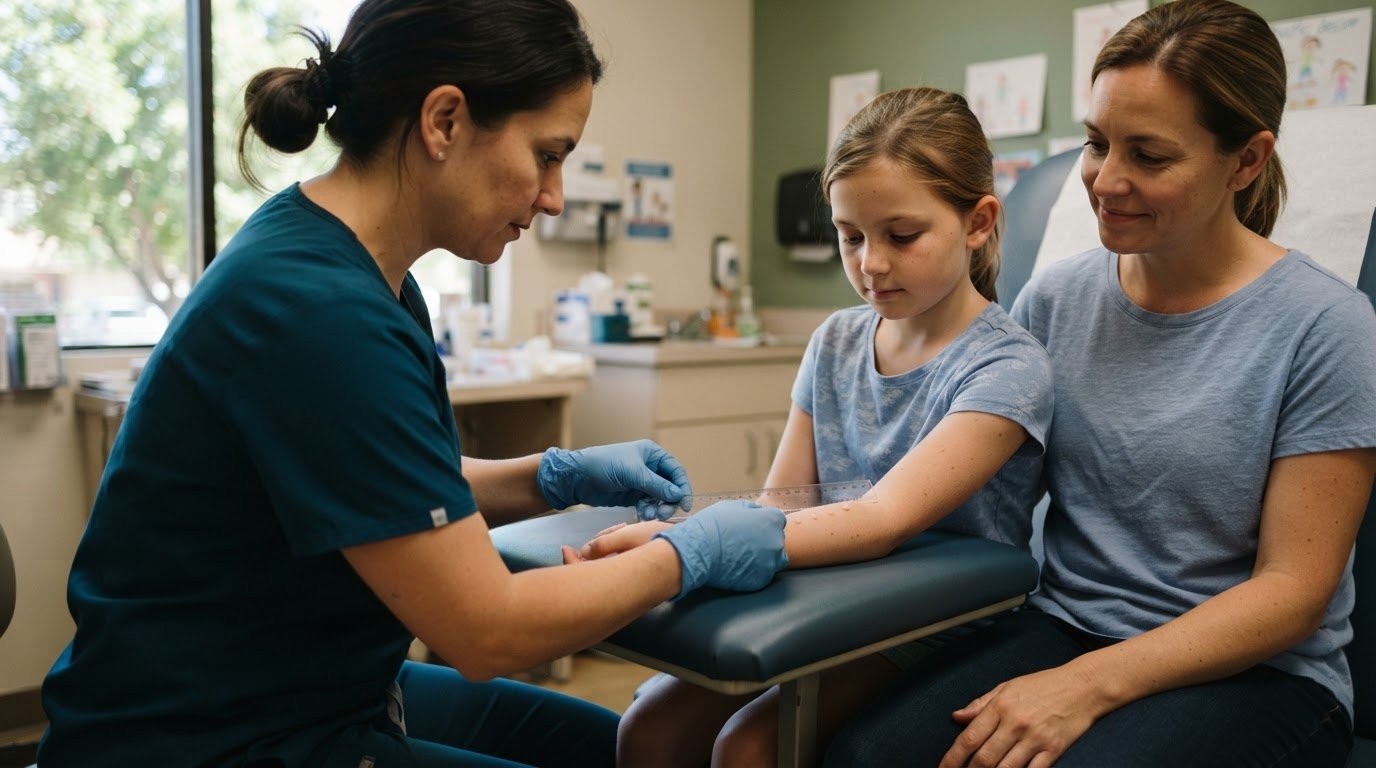
A skin prick test can identify reactions to selected tree pollen allergens, but the result is only one part of understanding seasonal symptoms. For... Continue reading
READ MORE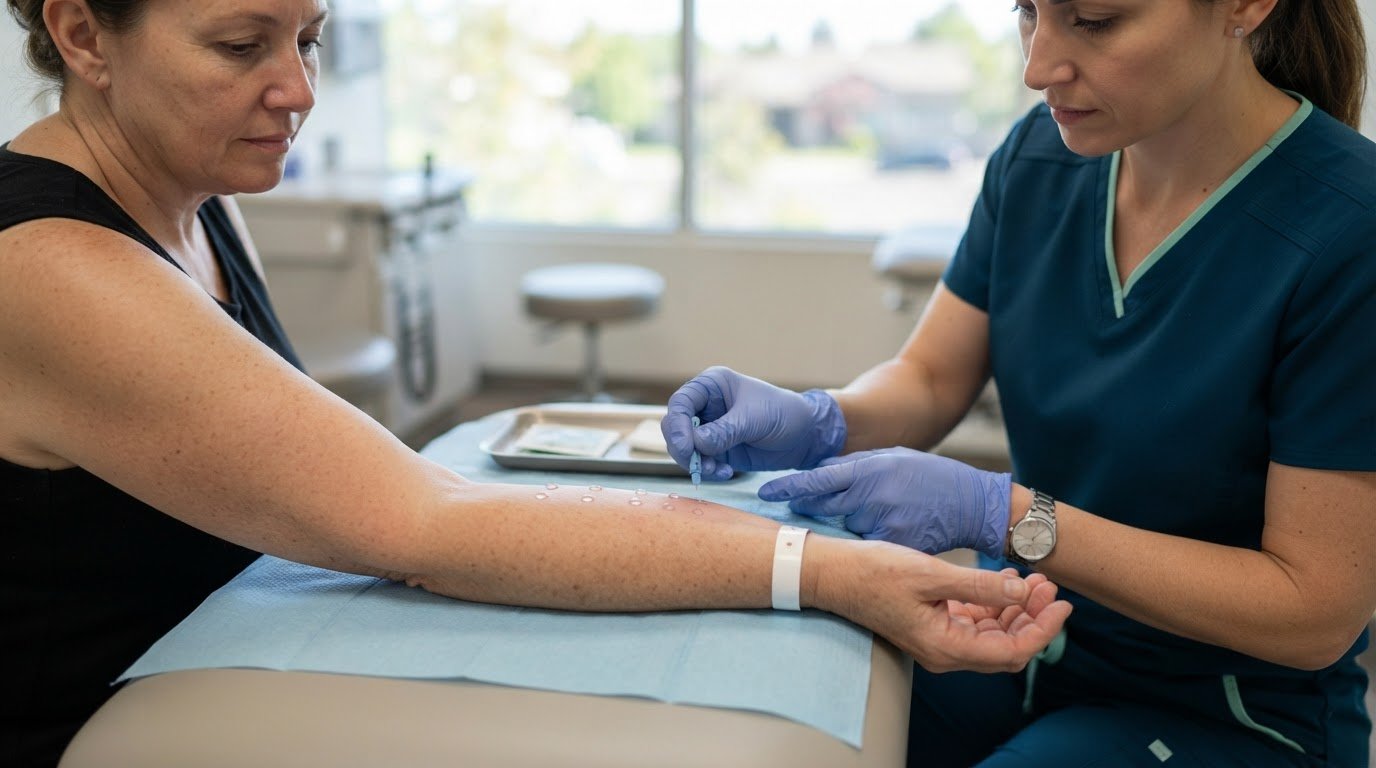
Grass pollen symptoms don’t have to be a seasonal guessing game. A grass pollen allergy doctor in Fresno can assess your symptoms, their timing and... Continue reading
READ MORE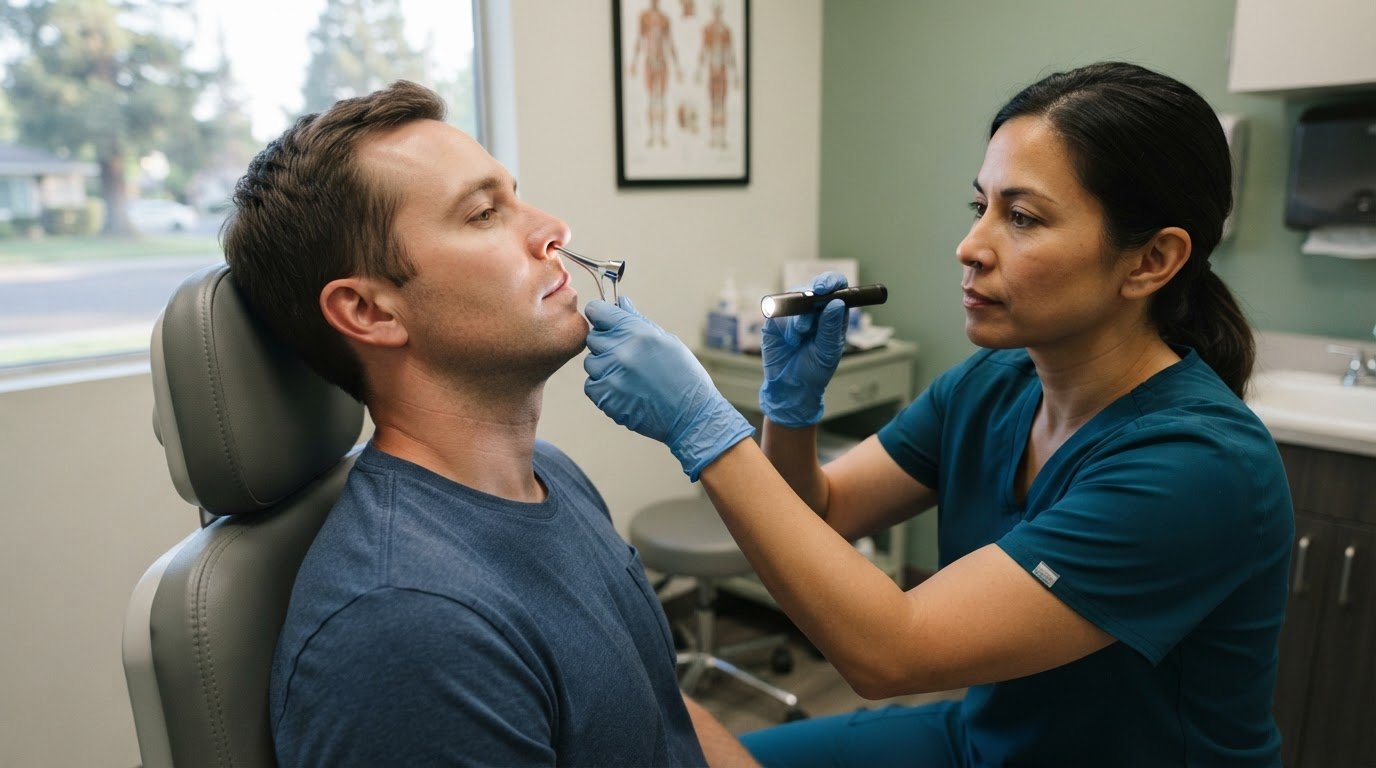
A runny nose alone can’t confirm hay fever. For hay fever treatment in North Clovis, an allergist may review your symptoms and medical history and... Continue reading
READ MORE