
A skin prick test can identify reactions to selected tree pollen allergens, but the result is only one part of understanding seasonal symptoms. For... Continue reading
READ MORE
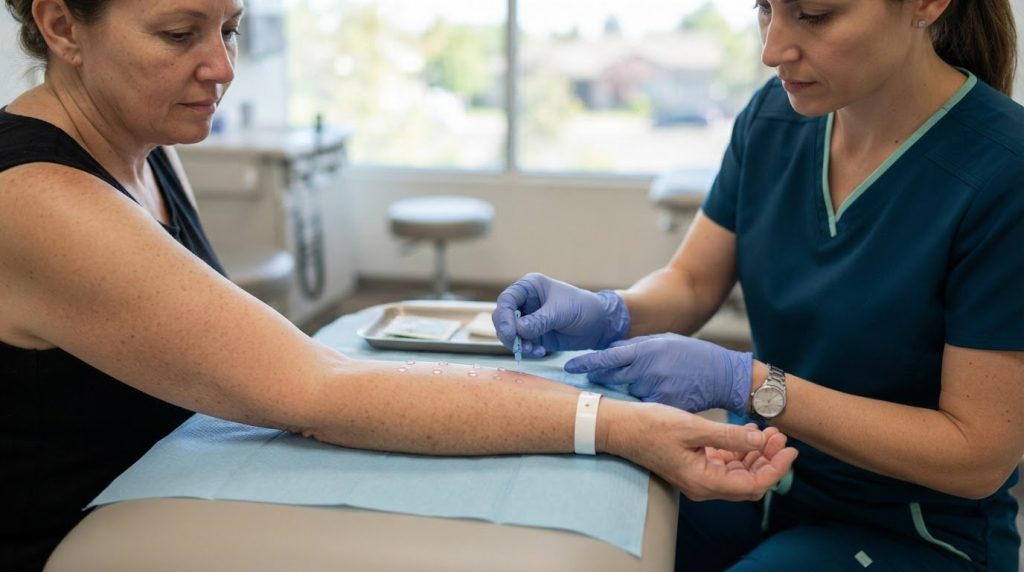
Grass pollen symptoms don’t have to be a seasonal guessing game. A grass pollen allergy doctor in Fresno can assess your symptoms, their timing and your response to medication, then use skin or blood testing to help confirm the cause. Treatment may include medicines for symptom relief or allergy immunotherapy for longer-term management.
If sneezing, congestion, or itchy eyes return when grass pollen rises, it’s understandable to want a clearer answer and a plan that fits your needs. This article explains common symptoms, how diagnosis works, and what treatment may involve. You’ll also learn about other conditions allergists treat, including asthma, food allergies, and allergic rhinitis.
A grass pollen allergy evaluation considers your symptom history and testing where appropriate. The allergist may ask when symptoms appear, whether they follow a seasonal pattern, and how medicines affect them. For example, sneezing and itchy eyes during grass season may suggest an outdoor trigger. Symptoms that continue indoors may point to other exposures. This context helps guide the evaluation.
The physical examination focuses on your ears, nose, throat, and chest. The allergist checks for findings that fit your symptoms and asks whether breathing changes accompany them. A family history of allergies or asthma can also matter. Together, these steps help distinguish suspected grass pollen allergy from other causes of congestion, eye irritation, or cough.
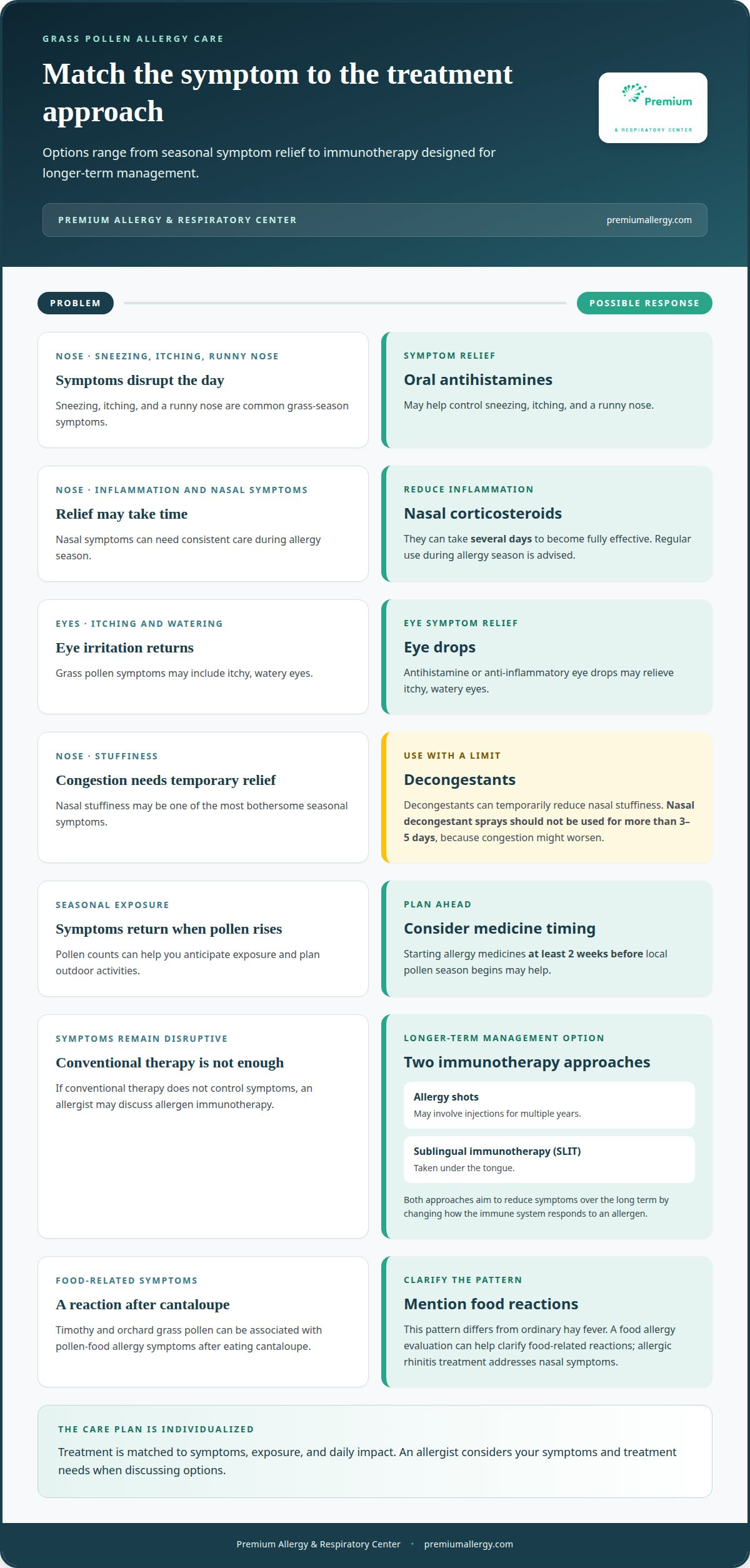
Testing may include a skin prick test or a specific IgE blood test. During skin testing, small amounts of grass pollen allergens are introduced into the skin. The allergist waits 15 minutes to see whether a raised, itchy, red bump appears. A specific IgE blood test measures antibodies responding to grass pollen. Each result is interpreted alongside your symptoms, rather than on its own.
A referral from your family doctor is required for allergist appointments in Fresno. Prior authorization is separate from a referral, and its requirements depend on your health plan. Bring your insurance information and referral details, along with a list of medicines you take. Include over-the-counter allergy treatments and describe whether each changed your symptoms.
Prepare a brief timeline before the visit: note when symptoms start, how long they last, and where they occur. Record examples, such as congestion after outdoor activity or symptoms that continue indoors. Bring previous allergy test results if available. These details help the allergist assess the pattern, choose relevant skin or blood testing, and discuss whether allergy shots may fit your care plan.
Care starts by matching treatment to symptoms, exposure, and daily impact. Grass pollen triggers an immune response in people with allergic rhinitis, commonly called hay fever. A board-certified allergist can diagnose allergies, manage symptoms, and discuss immunotherapy. Your immune system’s reaction to pollen helps explain why congestion, sneezing, or itchy eyes return during grass season. Pollen counts can also help you anticipate exposure and plan outdoor activities.
For symptom control, options include oral antihistamines for sneezing, itching, and a runny nose. Nasal corticosteroids reduce inflammation and ease nasal symptoms, but can take several days to become fully effective. Regular use during allergy season is advised. Antihistamine or anti-inflammatory eye drops may relieve itchy, watery eyes. Decongestants can temporarily reduce nasal stuffiness. Nasal decongestant sprays should not be used for more than 3-5 days because congestion might worsen. Starting allergy medicines at least 2 weeks before local pollen season begins may help.
If conventional therapy doesn’t control symptoms, allergen immunotherapy may be an option. It includes allergy shots and sublingual immunotherapy, or SLIT, which is taken under the tongue. Allergy shots may involve injections for multiple years. Both approaches aim to reduce symptoms over the long term by changing how the immune system responds to an allergen. An allergist considers your symptoms and treatment needs when discussing these options.
Grass pollen can also cross-react with certain foods. For example, Timothy and orchard grass pollen can be associated with pollen-food allergy symptoms after eating cantaloupe. That pattern differs from ordinary hay fever and is worth mentioning during an appointment. A food allergy evaluation can help clarify food-related reactions, while allergic rhinitis treatment addresses nasal symptoms. If seasonal symptoms remain disruptive despite conventional medicine, discuss whether immunotherapy fits your care plan and which approach best matches your needs. A personalized allergic rhinitis treatment plan can help guide that discussion.
In Fresno, grass pollen allergies generally take over in late spring and summer, while tree pollen allergies often start early in the year. Ragweed generally dominates in autumn, so the season and symptom pattern can help identify a likely trigger. Check local pollen counts through the American Academy of Allergy, Asthma & Immunology’s National Allergy Bureau. Fresno’s spring allergy season can extend into summer.
Grass pollen allergy can cause a runny or stuffy nose, repeated sneezing, and an itchy nose. You may also notice itching in your eyes, ears, or mouth, along with red, watery eyes. Some people develop coughing or postnasal drip. Fatigue, irritability, and difficulty concentrating can follow when symptoms disrupt sleep or daily routines. Allergic rhinitis describes nasal symptoms; allergic conjunctivitis refers to eye symptoms such as burning, redness, and watering.
Watch for changes in breathing, too. Grass pollen can worsen asthma, increasing wheezing, breathlessness, or chest tightness. For example, a person whose usual seasonal symptoms include sneezing may also notice wheezing outdoors. Record when these symptoms occur and whether they accompany pollen exposure. Share that pattern with a board-certified allergist, especially if breathing symptoms are changing or affecting normal activities.
Spring and fall symptoms may overlap, but their timing can offer useful clues. In Fresno, tree pollen usually appears earlier in the year, grass pollen becomes more prominent in late spring and summer, and ragweed tends to dominate in autumn. Symptoms that return during the same season each year may fit seasonal allergies. Symptoms that persist at home or across seasons may involve other triggers, including indoor allergens.
For a child, note practical examples: sneezing after outdoor play, itchy eyes during grass season, or coughing that interrupts sleep. A symptom diary can capture timing, location, and effects on school, work, or exercise. Pollen counts provide another point of comparison, although they may reflect collections made 24-48 hours earlier. Together, these details help an allergist assess the pattern and whether asthma may also need attention.
Allergists address more than seasonal sneezing. Allergic rhinitis, commonly called hay fever, can follow grass pollen exposure in spring or summer. Other triggers create different patterns: dust mite allergy is an indoor condition that can bring symptoms year-round. Identifying whether symptoms follow seasons or continue at home helps distinguish possible triggers and shape a useful treatment plan.
Asthma is another condition allergists manage, particularly when allergies worsen wheezing, breathlessness, or chest tightness. A treatment plan can address both allergy symptoms and asthma control. Food-related reactions also need careful evaluation. For example, Timothy or orchard grass pollen can cross-react with cantaloupe and cause pollen-food allergy symptoms. Food allergy testing can help assess suspected food triggers as part of that evaluation.
Allergy care can also include penicillin allergy testing and insect sting allergy treatment. These concerns differ from pollen-related symptoms: a suspected medication reaction involves a medicine, while a sting concern follows exposure to an insect sting. Atopic dermatitis is another condition that may require focused care. Blood allergy testing can help assess suspected allergens, with results considered alongside symptoms and exposure history.
The takeaway is that one symptom, such as sneezing, doesn’t define the whole condition. An allergist considers timing, triggers, breathing changes, skin symptoms, and food or medication reactions. Those details guide which treatment options fit the concern, from allergic rhinitis care to asthma management or targeted testing. If symptoms involve several patterns, or one condition affects daily activities, explore allergy evaluation options to discuss a focused assessment and care plan.
Timing can help make a suspected pollen pattern more specific. Ragweed allergies commonly affect people in mid-September. Common grasses that cause allergies include Bahia, Bermuda, fescue, Johnson, Kentucky blue, orchard, rye, sweet vernal, and Timothy. Knowing which pollens may be relevant can help frame a discussion of symptoms and possible exposures, rather than treating every period of congestion as the same problem.
Grass names alone do not establish the cause of symptoms. An allergist can consider your symptom pattern and exposure history, while also accounting for possible indoor triggers or other conditions. These details help keep the evaluation focused.
Premium Allergy & Respiratory Center helps you address allergy symptoms through focused diagnosis and care. If seasonal sneezing, congestion, or itchy eyes keep returning, allergic rhinitis treatment can help address those nasal and eye symptoms. If grass pollen also affects your breathing, asthma management can support care for that concern.
Allergies may involve more than pollen. Premium Allergy offers Food Allergy Testing and penicillin allergy testing to assess suspected reactions in these areas. Share your symptom pattern and the concerns affecting your daily life so the care discussion can focus on what matters to you.
For a personalized next step, contact Premium Allergy & Respiratory Center.
Seasonal symptoms can influence how you plan ordinary days, but they don’t need to define your choices. Consider what you most want to address, such as disrupted sleep, uncomfortable outdoor activities, or breathing concerns. A grass pollen allergy doctor in Fresno can help connect those priorities with an evaluation and a care discussion tailored to your concerns.
Premium Allergy offers Allergic Rhinitis Treatment, Asthma Management, and Food Allergy Testing. These services can address related allergy concerns as part of a broader conversation about your health. Before an appointment, think about which symptoms interfere most with your routine and what you’d like to understand better. That gives the discussion a clear, personal starting point.
Contact Premium Allergy & Respiratory Center to discuss your next step. With thoughtful guidance, you can make informed choices and move toward a season that feels more manageable.
Reduce pollen exposure at home and after outdoor activities. Keep windows closed, use air conditioning, and consider HEPA filters. After spending time outside, shower to remove pollen from your skin and hair, and dry clothes indoors. Sunglasses and a hat can help limit pollen reaching your eyes. Check the American Academy of Allergy, Asthma & Immunology’s National Allergy Bureau for local pollen information when planning outdoor activities.
Allergists may use skin prick testing or a specific IgE blood test, alongside your health history and examination. These tests help assess whether you’re sensitized to a suspected allergen, but results need to be considered with your symptoms. For example, a positive grass pollen result is more meaningful when your symptoms also follow a seasonal pattern associated with exposure.
A grass pollen allergy doctor in Fresno considers your symptom pattern, examines you, and may use skin or blood testing to assess grass pollen sensitivity. You can make the visit more useful by noting where symptoms occur, such as after yardwork or time in a park, and whether similar symptoms happen indoors. That context helps distinguish grass pollen from other possible triggers.
Treatment may include medicines for nasal, eye, or other allergy symptoms, plus allergen immunotherapy when conventional therapy doesn’t control symptoms. Immunotherapy includes allergy shots and sublingual immunotherapy, taken under the tongue. “Tablets” may refer to a sublingual option, but suitability depends on the allergen and your clinical circumstances. An allergist can explain the options and their role in your treatment plan.
A skin prick test can identify reactions to selected tree pollen allergens, but the result is only one part of understanding seasonal symptoms. For... Continue reading
READ MORE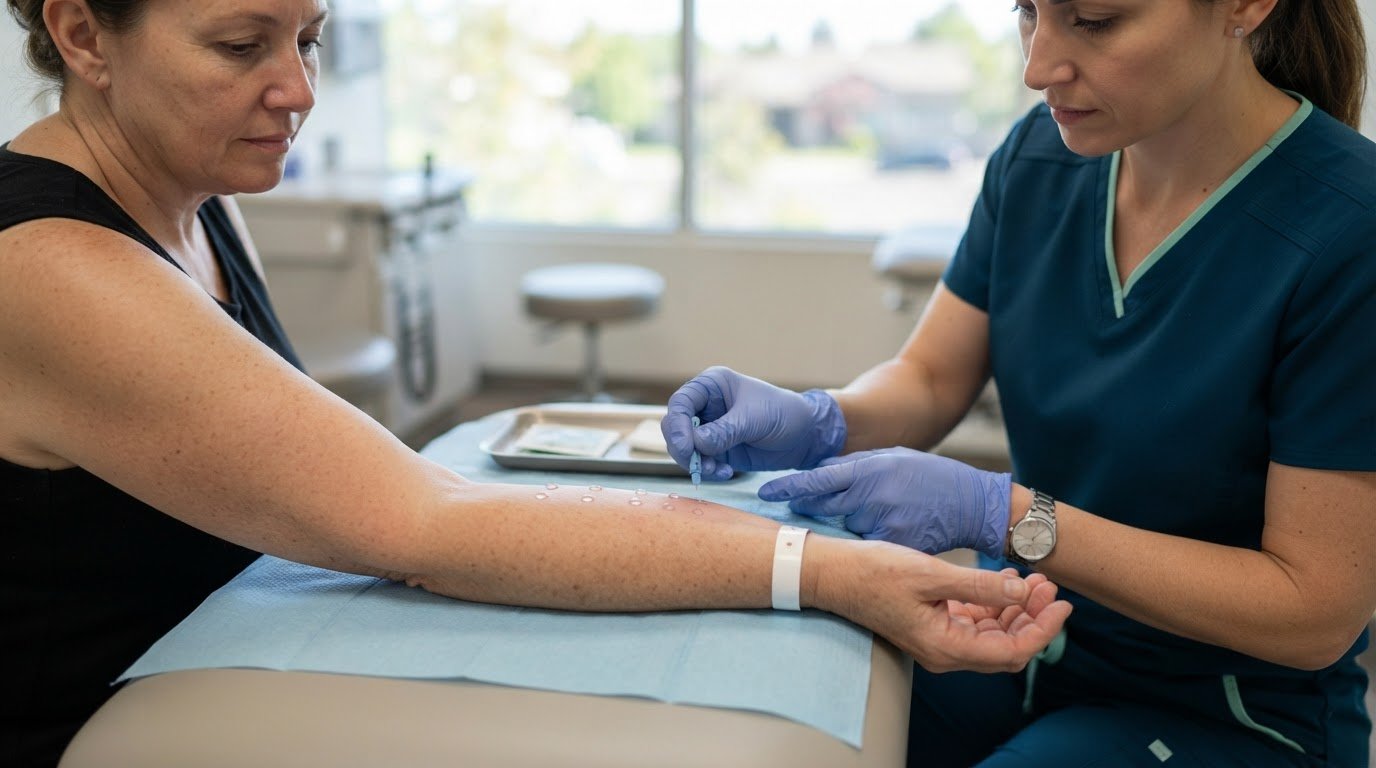
Grass pollen symptoms don’t have to be a seasonal guessing game. A grass pollen allergy doctor in Fresno can assess your symptoms, their timing and... Continue reading
READ MORE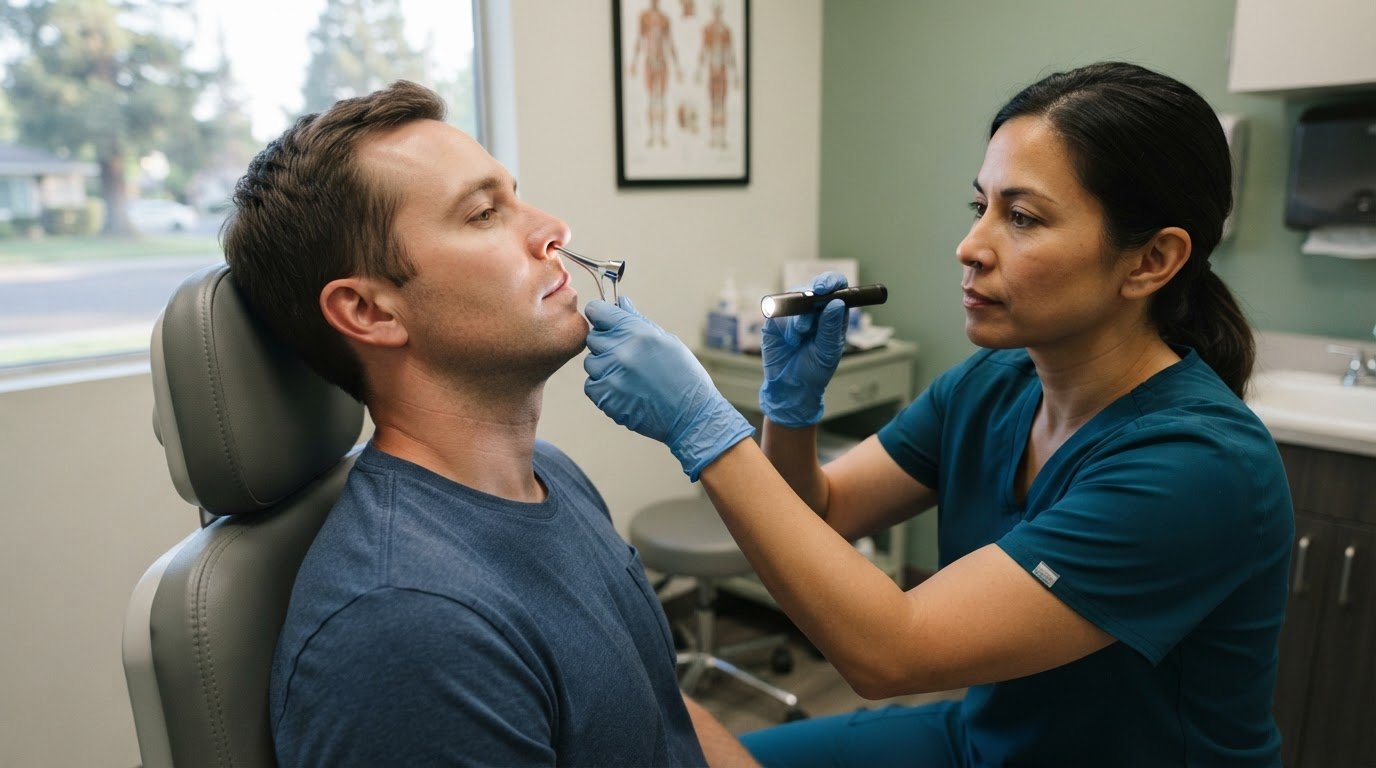
A runny nose alone can’t confirm hay fever. For hay fever treatment in North Clovis, an allergist may review your symptoms and medical history and... Continue reading
READ MORE
A fall allergy specialist in Selma can assess recurring seasonal symptoms and use allergy testing to investigate possible triggers. Itchy eyes and... Continue reading
READ MORE