
About 2% of fire ant stings lead to severe reactions, so a sting that looks like a skin irritation can sometimes become an emergency. An allergic... Continue reading
READ MORE
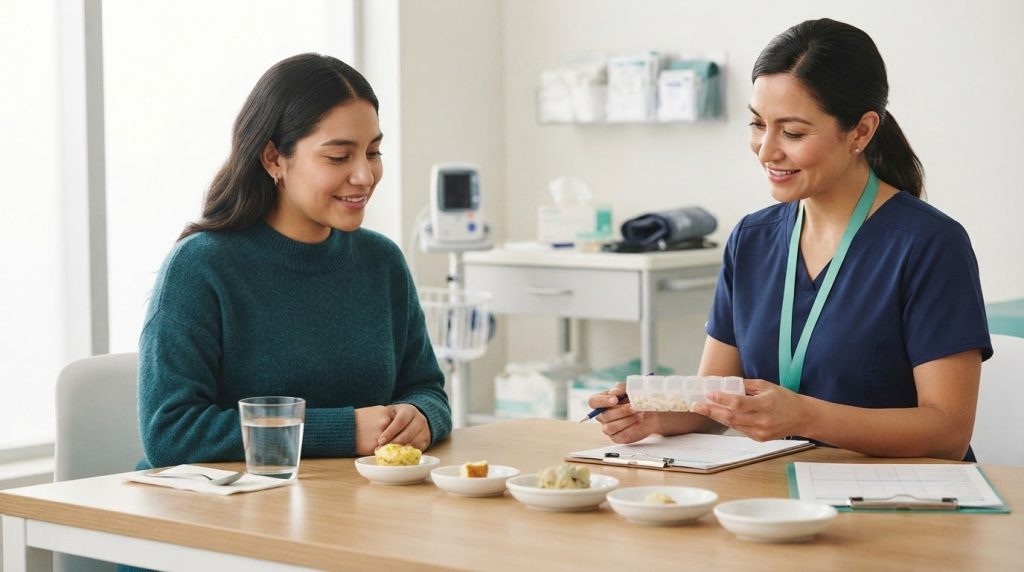
One food challenge doesn’t fit every allergy: an oral food challenge with an allergist in Selma is tailored to the suspected allergy, your medical history and the reason for testing. In a typical challenge, you eat gradually increasing amounts of a selected food at intervals of 15-30 minutes while medical professionals monitor you for symptoms.
It’s understandable to wonder what an oral food challenge involves, especially if you’re unsure whether to pause medication or what a result means for eating the food afterward. This guide explains how challenges can differ, how to prepare, which medication questions to discuss with your care team, and what to expect afterward. You’ll also learn why supervised testing matters and how the result can inform next steps. Knowing what to expect can help you feel more prepared for the test and the decisions that follow.
Some medicines affect preparation for an oral food challenge, but you should not stop every medication. Antihistamines need particular attention because they can mask mild, early symptoms.
Before an oral food challenge, review each medication with your doctor. Antihistamines can make early reaction signs harder to recognize, so ask how long to pause your specific medicine. Don’t stop or change other medicines on your own. The right plan depends on the medication and the challenge schedule.
Some non-antihistamine medicines may be used during the 1-2 weeks before testing. They can help reduce discomfort from stopping oral antihistamines. Share a complete medication list, including prescriptions and over-the-counter products. For example, include allergy tablets and medicines used for asthma. This gives your care team a clear picture before test day.
Antihistamines are the main medicines to discuss before an oral food challenge. They may hide mild, early symptoms, so your care team may ask you to pause them. Examples include cetirizine, hydroxyzine, and loratadine. The required pause varies by medication, so ask your doctor for instructions specific to yours.
Other antihistamines that may need to be stopped include levocetirizine, fexofenadine, desloratadine, diphenhydramine, and cyproheptadine. Don’t assume a different brand name means a different medication. Check the active ingredient on the package and share it with your doctor. If you need asthma rescue medication near the test, the challenge should be postponed. Tell the team before proceeding.
Follow the instructions for your planned challenge, not a general medication schedule. Keep the names and timing of your medicines handy when discussing preparation. If you take an antihistamine for symptoms, ask about the specific pause period before changing your routine. If asthma symptoms require rescue medicine near test time, notify the care team. The test should wait until a suitable time.
An oral food challenge can help clarify whether a suspected food causes an allergy. The selected food and testing approach depend on your history and diagnostic needs.
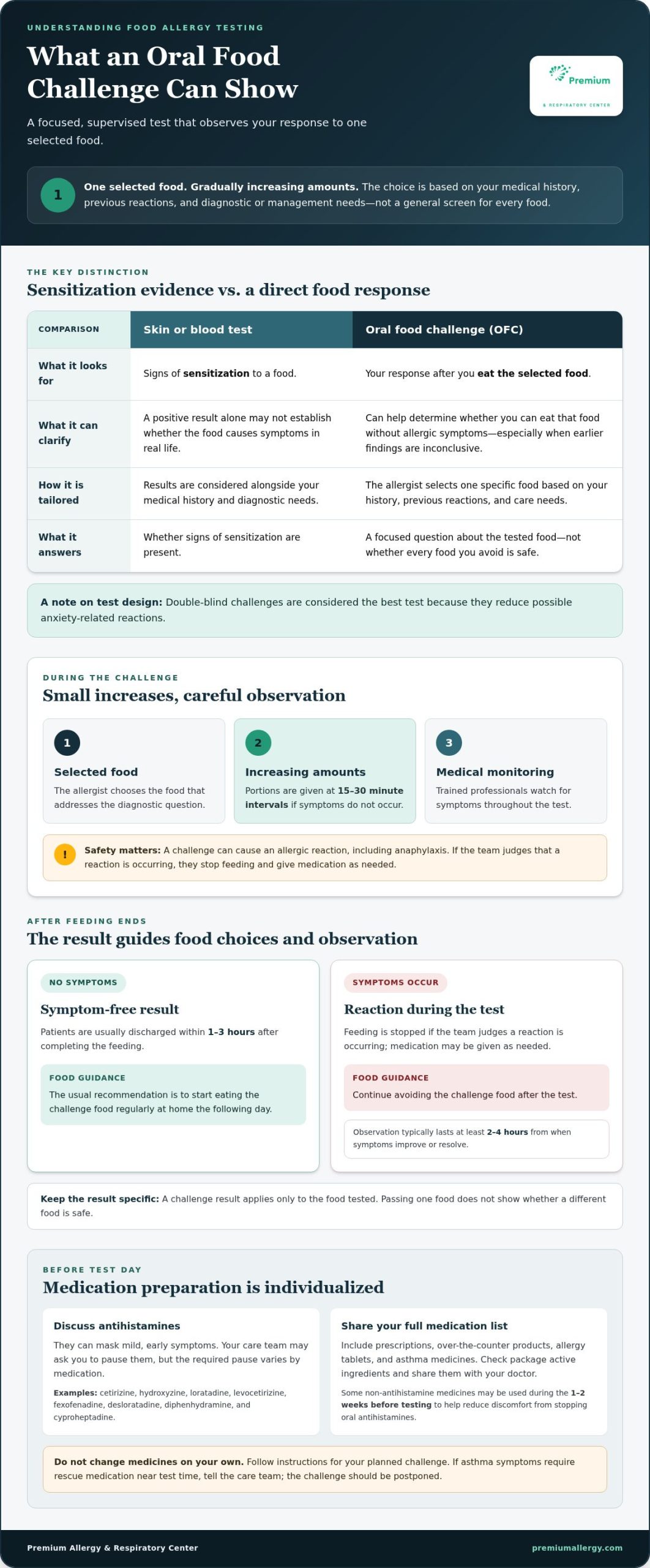
An oral food challenge is a supervised test in which you eat gradually increasing amounts of one food. It can help when your medical history and skin or blood test results don’t give a clear answer. The challenge can determine whether you can eat that food without allergic symptoms.
The food is selected based on your medical history, previous reactions, and care needs. For example, an allergist may consider a food linked to an earlier reaction. This makes the test specific to the question being investigated, rather than a general screen for every food.
Skin and blood tests look for signs of sensitization, while an oral food challenge observes your response after you eat the food. A positive skin or blood test alone may not establish whether that food causes symptoms in real life. A challenge can provide direct evidence, especially when earlier findings are inconclusive.
During a typical challenge, you receive increasing portions at intervals of 15-30 minutes if symptoms don’t occur. Medical professionals monitor you throughout. Double-blind challenges are considered the best test because they reduce possible anxiety-related reactions.
The foods tested can vary. The allergist selects a specific food based on your previous reactions, medical history, and diagnostic or management needs. The purpose is to answer a focused question about that food, not to test every item you avoid at once.
Safety is central to the process. An oral food challenge can cause an allergic reaction, including anaphylaxis, so trained medical professionals should conduct it. If they judge that a reaction is occurring, they stop feeding and give medication as needed.
To schedule with a local allergist, explain the suspected food, prior reactions, and existing skin or blood test results. A local oral food challenge allergist in Selma can use those details to assess the diagnostic question and plan the next step. If you’re considering an oral food challenge allergist in Selma, a discussion about food allergy testing can also help clarify which evaluation fits your concern.
Your next steps depend on any symptoms during the challenge and the observation period afterward.
What you can eat after an oral food challenge depends on the result. If you have no symptoms, the usual recommendation is to start eating the challenge food regularly at home the following day. A successful challenge may allow you to reintroduce that food into your diet.
If symptoms occur, continue avoiding the food after the challenge. The result applies only to the food tested, so don’t treat it as an answer about every food you avoid. For example, passing a challenge with one food doesn’t show whether a different food is safe to eat.
After feeding ends, the care team observes you before discharge. With no symptoms, patients are usually discharged within 1-3 hours after completing the feeding. If symptoms occur, observation typically lasts at least 2-4 hours from when they improve or resolve. These timeframes differ because symptoms change the aftercare plan.
On test day, medical professionals monitor you for allergic reactions, including symptoms that may lead them to stop feeding and give medication. If a reaction occurs, the team observes you after symptoms improve or resolve. If you have no symptoms, ask for clear instructions about starting the food at home the following day.
Use the result to guide your next meal, not guesswork. After a reaction, avoid the challenge food. After a symptom-free result, follow the recommendation to begin eating it regularly the following day. Note the tested food and result clearly, especially if you manage several food restrictions. This helps you act on the specific test without confusing it with another food.
Preparation helps the care team assess your response under suitable conditions. Your health on test day, medication plan, and travel needs all matter.
If you’re sick on the day of the test, the challenge should be postponed. Tell the care team about your symptoms before proceeding. Illness can affect whether testing goes ahead, so don’t assume the appointment will proceed as planned if your health changes. Reporting the change helps the team decide whether the test day remains appropriate.
Plan your trip to and from the appointment by carrying your usual medicines and emergency medications. Keep them with you during travel rather than leaving them at home or in another vehicle. For example, bring your usual medication along with any emergency medicine you normally carry. This keeps your prescribed medicines available during the visit and the journey afterward.
Medication timing can also affect scheduling. Some patients find it difficult to pause allergy medicines, and allergy seasons may make that pause harder. In those cases, a challenge may be postponed to avoid a difficult allergy season. Scheduling can take seasonal symptoms into account as well as the test itself. Share any relevant seasonal allergy concerns when discussing preparation.
Before the appointment, make a simple plan: note any illness, gather your usual and emergency medicines, and consider whether seasonal allergies could affect medication changes. These steps give the care team practical information for test day. Don’t stop or change medication without instructions for your challenge. Keep those instructions accessible as you prepare, so your plan follows the guidance for your specific test.
For help planning an allergy evaluation, discuss your food allergy testing and preparation needs.
Premium Allergy & Respiratory Center provides Food Allergy Testing for people seeking evaluation of suspected food allergies. If your challenge results leave questions about a food reaction, testing can be part of understanding your allergy concerns and planning next steps.
The center also provides Asthma Management, which may be relevant if asthma is part of your health picture. Allergic Rhinitis Treatment addresses nasal allergy symptoms, while Penicillin Allergy Testing evaluates concerns about penicillin. Each service focuses on a distinct allergy or respiratory need.
For food-related concerns, discuss Food Allergy Testing as part of your evaluation. Contact Premium Allergy & Respiratory Center to talk about your allergy care.
A test result is most useful when it helps you make informed choices in daily life. Consider what you still need clarified, such as how the result affects meals, which symptoms to watch for, or how allergy concerns fit into your overall care. Bring those questions to your next conversation so your decisions reflect your experience, not guesswork.
If you’re choosing an oral food challenge allergist in Selma, focus on the goal of testing: getting a clearer understanding of a suspected food allergy. Premium Allergy & Respiratory Center provides Food Allergy Testing and care for related allergy concerns. A conversation with the care team can help you identify the questions that matter and consider an appropriate next step.
Whenever you’re ready, connect with Premium Allergy & Respiratory Center to discuss your concerns. Take the process one informed step at a time.
Yes, the challenge plan can depend on the suspected allergy and its symptoms. Food protein-induced enterocolitis syndrome (FPIES), for example, typically causes symptoms at least 2 hours after eating. That delayed pattern can affect how the challenge is monitored. Share the suspected reaction type and timing with the care team so those details inform the test plan.
The observation period depends on whether symptoms occur. After a symptom-free challenge, patients are usually discharged within 1-3 hours after feeding ends. If symptoms develop, observation typically continues for at least 2-4 hours after they improve or resolve. Ask how the discharge plan applies to your result before leaving, particularly if symptoms changed during observation.
In an open challenge, the patient and care team know which food is being tested. In a blinded challenge, the food is concealed from the patient. A double-blind format also reduces the chance that expectations influence reported symptoms. Double-blind challenges are considered the best test for reducing possible anxiety-related reactions. The format depends on the diagnostic question.
An oral food challenge can trigger an allergic reaction, including anaphylaxis. That risk is why a trained medical team must supervise the challenge, rather than having you test yourself at home. If medical personnel judge that a reaction is occurring, they stop feeding and give medication as needed. Tell the team about symptoms promptly, even if they seem mild or familiar.
An oral food challenge helps resolve uncertainty when medical history and skin or blood test results don’t provide a clear answer. It can show whether someone can eat a specific suspected food without allergic symptoms. For instance, if test findings and past experience leave the food’s role unclear, a supervised challenge can provide direct evidence to guide food decisions.
Follow the test team’s medication instructions, and report any illness before the appointment because a challenge should be postponed if you’re sick that day. Bring your usual and emergency medicines for travel to and from the appointment. If seasonal allergies make pausing allergy medication difficult, raise that concern while planning. These details help the team assess readiness and timing for your test.
About 2% of fire ant stings lead to severe reactions, so a sting that looks like a skin irritation can sometimes become an emergency. An allergic... Continue reading
READ MORE
One food challenge doesn’t fit every allergy: an oral food challenge with an allergist in Selma is tailored to the suspected allergy, your medical... Continue reading
READ MORE
A methacholine challenge test in Fresno measures how your airways respond to methacholine, rather than relying only on how you feel. You inhale a... Continue reading
READ MORE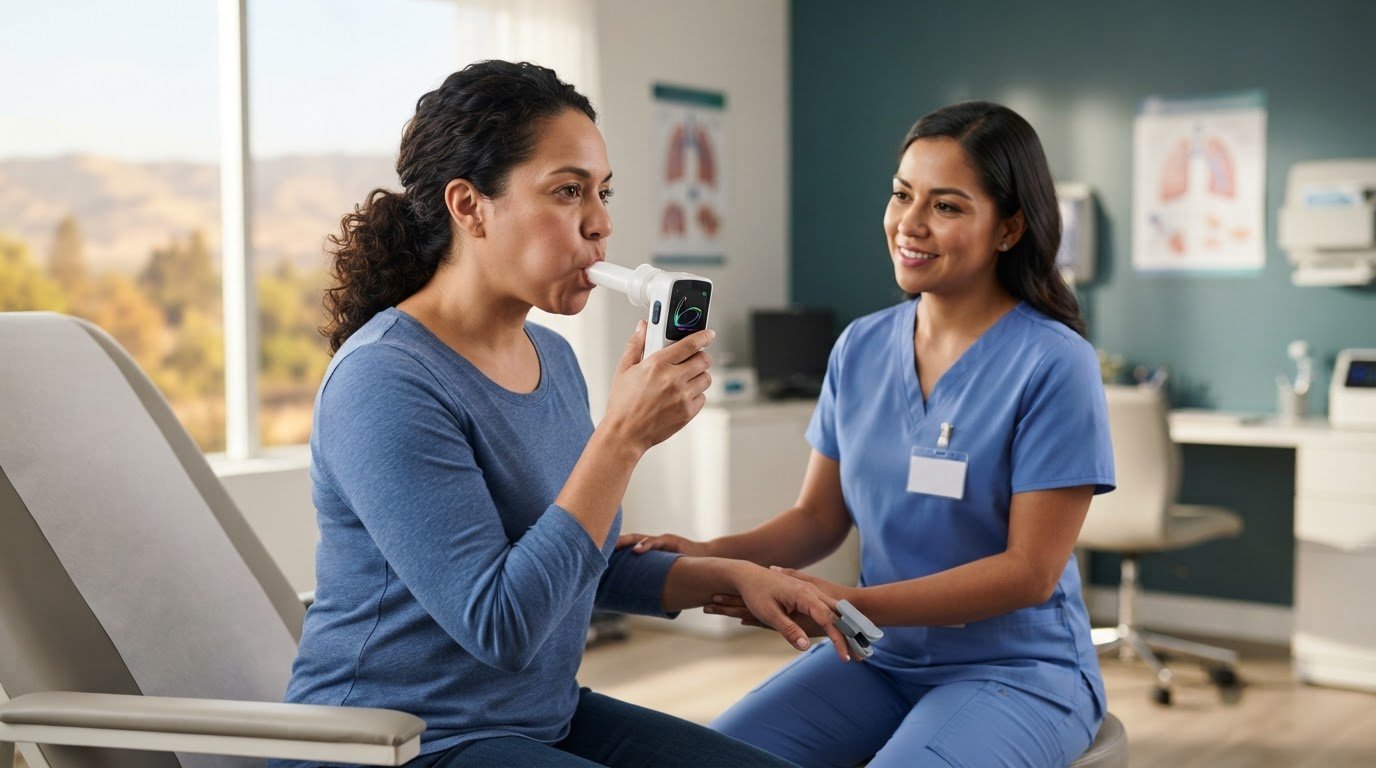
Breathing symptoms tell part of the story; measured airflow adds another. A spirometry test for asthma in Clovis measures how much air you can force... Continue reading
READ MORE