
Symptoms alone can’t confirm EoE. For adults seeking EoE treatment in Clovis, diagnosis requires an upper endoscopy with esophageal biopsies, which... Continue reading
READ MORE
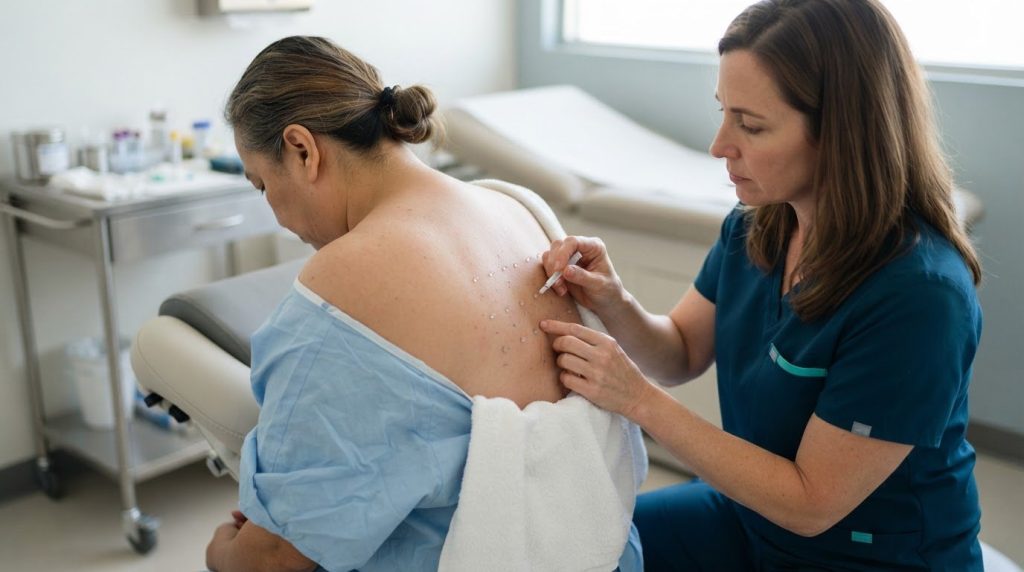
The test itself is only part of the picture; what you do afterward matters, too. Knowing how to prepare for an allergy test starts with reviewing your medicines: some antihistamines, including Claritin, Clarinex, Zyrtec, Xyzal, and Allegra, should be avoided for 7 days beforehand. Don’t stop a prescribed medicine without guidance from your healthcare provider.
It’s understandable to wonder whether an allergy test will hurt, how long you’ll be there, and what to do if your skin itches afterward. This guide explains what happens during skin prick, intradermal, and patch testing, which medicines may affect results, and how to care for your skin after the appointment. You’ll also learn what to expect from the results and why patch-test care differs from the brief redness or itching that can follow other skin tests. A little preparation can make the process feel more manageable and help you move toward clearer answers.
Allergy skin testing helps identify substances that may trigger symptoms. For a skin prick test, small drops of allergen solution are placed on your skin, followed by a light prick. A raised, itchy spot can indicate a reaction. Skin testing is done under medical supervision, so the care team can monitor reactions and provide support. Children can also be tested under medical supervision.
Follow the preparation instructions for your specific allergy test, and ask your care team if you’re unsure what to eat or drink beforehand. Avoid vigorous activity for at least one hour before testing. For more accurate results, don’t take Claritin, Clarinex, Zyrtec, Xyzal, or Allegra for seven days before testing. Never stop prescribed medication without guidance from your provider.
In the United States, allergy testing costs depend on the tests performed and other case-specific factors, so there is no general price. Insurance coverage varies by plan and test. Review your benefits for the specific allergy testing being considered.
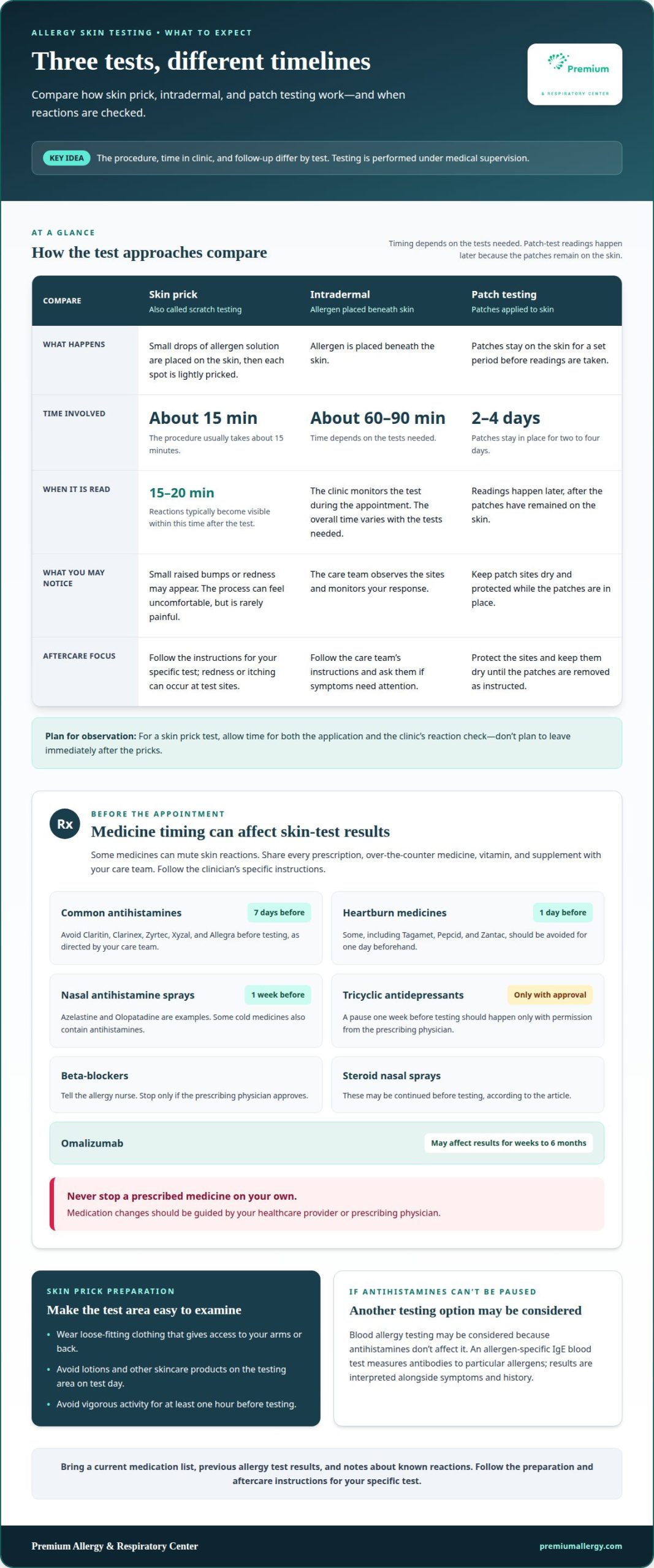
Skin prick, intradermal, and patch tests work differently. A skin prick or scratch test usually takes about 15 minutes, with reactions typically visible within 15 to 20 minutes. Intradermal testing places allergen beneath the skin and takes about 60 to 90 minutes, depending on the tests needed. Patch-test patches stay on the skin for two to four days, so readings happen later.
Redness, itching, or raised bumps can occur at test sites. These reactions are monitored during supervised testing, and the care team can guide you if symptoms need attention. Afterward, follow the instructions for your specific test. Patch sites need to stay dry and protected while the patches are in place. Results can help guide next steps, including whether further evaluation or a treatment plan may be appropriate.
Antihistamines can mute skin reactions, making an allergy skin test less informative. The preparation instructions above cover common allergy medicines, including Claritin and Zyrtec. Other medicines can also affect results. Tell the doctor about every prescription, over-the-counter product, vitamin, and supplement you take. Bring a current medication list, previous allergy test results, and notes about known reactions.
Some heartburn medicines, including Tagamet, Pepcid, and Zantac, should be avoided for 1 day before testing. Nasal antihistamine sprays such as Azelastine and Olopatadine should be avoided for 1 week beforehand. Some cold medicines contain antihistamines, so include those in your medication list. H2 blockers such as famotidine and cimetidine may also interfere. Don’t stop a prescribed medicine on your own; follow the clinician’s specific instructions.
Tricyclic antidepressants may affect results. They should be stopped 1 week before testing only with permission from the prescribing physician. If you take a beta-blocker, tell the allergy nurse before testing. Stop it only if the prescribing physician approves. Steroid nasal sprays may be continued before testing. These distinctions matter: changing a medicine without medical guidance can disrupt treatment as well as test preparation.
Share the causes and timing of symptoms, plus any family history of allergies. Those details help the doctor decide which allergens to assess and how to interpret results. If antihistamines can’t be paused, blood allergy testing may be considered because antihistamines don’t affect it. An allergen-specific IgE blood test measures antibodies to particular allergens, but results need interpretation alongside your symptoms and history. For another testing option, explore blood allergy testing.
A healthcare professional may ask you to pause medicines that affect results for several days or longer. Omalizumab can affect allergy skin test results for several weeks and up to six months.
A skin prick test exposes selected areas of skin to small amounts of allergens. The clinic observes each site for reactions, helping connect possible triggers with your symptoms.
Wear loose-fitting clothing that gives the clinic access to your arms or back. On test day, avoid applying lotions or other skincare products to the testing area. These steps keep the skin clear and make test sites easier to examine. Follow the clinic’s instructions if you receive specific preparation directions. If hair needs to be removed from the test area, the provider may advise shaving the night before or that morning.
The provider places small drops of allergen solutions on your skin, then lightly pricks each spot. A skin prick or scratch test may expose the skin to 10 to 50 potential allergens. The procedure usually takes about 15 minutes. You’ll then wait while the clinic monitors the sites; reactions typically become visible within 15 to 20 minutes. The process can feel uncomfortable, but it’s rarely painful.
While you wait, small raised bumps or redness can develop where an allergen was applied. The provider measures these reactions and considers them alongside your symptoms and medical history. Skin tests are performed under medical supervision, so the care team can monitor your response and provide support. Allow time for both the application and observation rather than planning to leave immediately after the pricks.
A skin prick test differs from a blood allergy test. The prick test checks visible skin responses, while an allergen-specific IgE blood test measures antibodies in a blood sample. A provider selects between these approaches based on your symptoms, medicines, and clinical needs. If you can’t pause antihistamines, blood testing may be considered because antihistamines don’t affect its results.
After a skin prick test, small bumps often fade within 30 minutes, though redness or itching can remain. Skin-test wheals can last from a few minutes to several days, depending on the reaction. Follow the care team’s instructions, and avoid scratching irritated sites. Tell the clinic if a reaction concerns you or changes after you leave.
Patch testing needs extra care because the patches stay on your skin for two to four days. Keep the test area dry and protected while wearing them. After removal, avoid showering, swimming, and activities that cause sweating for several days, as these can disturb the test sites. Patch testing involves follow-up readings, so keep each scheduled appointment. Results take about four days.
Skin prick and intradermal test results are usually reviewed shortly after testing, often before you leave the office. The provider interprets reactions alongside your symptoms, such as whether they occur around pollen exposure. A positive skin response alone doesn’t establish what causes every symptom. The clinical assessment helps guide next steps and a treatment plan.
Blood test results take a few days. After testing, you can generally resume medications, except beta-blockers if you plan to begin allergy immunotherapy. Follow the specific instructions you receive, since medicines can interfere with skin-test readings or affect treatment planning. If antihistamines can’t be paused, explore blood allergy testing as a testing option.
Premium Allergy & Respiratory Center helps patients in Fresno, Clovis, Selma, and North Clovis assess allergy concerns and consider next steps. If symptoms persist or test results raise questions, its allergy-focused care can connect evaluation with appropriate support. Services include allergic rhinitis treatment, asthma management, and food allergy testing. Discussing your symptoms, history, and testing needs can help clarify what to consider next. You don’t need every answer before starting that conversation. Contact Premium Allergy & Respiratory Center to discuss your allergy concerns and possible next steps.
An allergy test can open a more informed conversation about your symptoms, possible triggers, and the support that may fit your needs. Knowing how to prepare for an allergy test is one part of the process; understanding how results relate to your day-to-day experiences is another. Bring questions about patterns you’ve noticed, how symptoms affect your routines, and what you’d like to understand better. These details can help shape a focused discussion about possible next steps.
There’s no need to have every answer before seeking guidance. Start with what you’ve observed and what feels uncertain. Premium Allergy & Respiratory Center can help you consider your allergy-related concerns and care options in context. Contact Premium Allergy & Respiratory Center to discuss what comes next. A thoughtful conversation can help you move forward with greater clarity and confidence.
Skin prick and intradermal results are often read during the appointment, while patch testing requires later readings. With a patch test, the skin is assessed after patch removal and checked again at a follow-up. Timing depends on the test and the reaction being assessed. Ask how results will be reviewed and how they may guide your next care steps.
Common options include skin prick, intradermal, patch, and blood tests. Prick tests assess reactions to allergen drops placed on the skin; intradermal tests place allergen beneath the skin. Patch tests assess delayed skin reactions, while blood tests measure allergen-specific IgE antibodies. Your symptoms, medical history, and medicines help determine which method may be appropriate for the question being investigated.
To understand how to prepare for an allergy test, follow the clinic’s instructions and bring notes about your symptoms and possible exposures. A diary may reveal patterns, such as symptoms after contact with a pet or during pollen season. Bring previous test results and a medication list. Mention a recent illness before testing, since it may affect appointment timing.
Some medicines can affect skin-test readings, but don’t stop a prescription without guidance. Share a complete list, including cold remedies and supplements, so the care team can provide instructions for your test. Antihistamines, certain heartburn medicines, nasal antihistamine sprays, tricyclic antidepressants, and beta-blockers may need consideration. Timing varies by medicine, and some changes require approval from the prescribing physician.
You generally don’t need to fast or follow a special diet before allergy testing. However, preparation guidance says to avoid food and drinks other than water for at least two hours before your appointment. So, no special diet is needed, but the brief pre-appointment restriction still applies. If a health condition affects eating or drinking, tell the care team.
If you’re learning how to prepare for an allergy test that involves a blood sample, antihistamines don’t affect blood allergy test results. Bring your medication list, previous allergy results, and notes about reactions or suspected triggers. An allergen-specific IgE test measures antibodies to particular allergens. Results are interpreted alongside your symptoms and history, helping connect the findings to your concerns.
Symptoms alone can’t confirm EoE. For adults seeking EoE treatment in Clovis, diagnosis requires an upper endoscopy with esophageal biopsies, which... Continue reading
READ MORE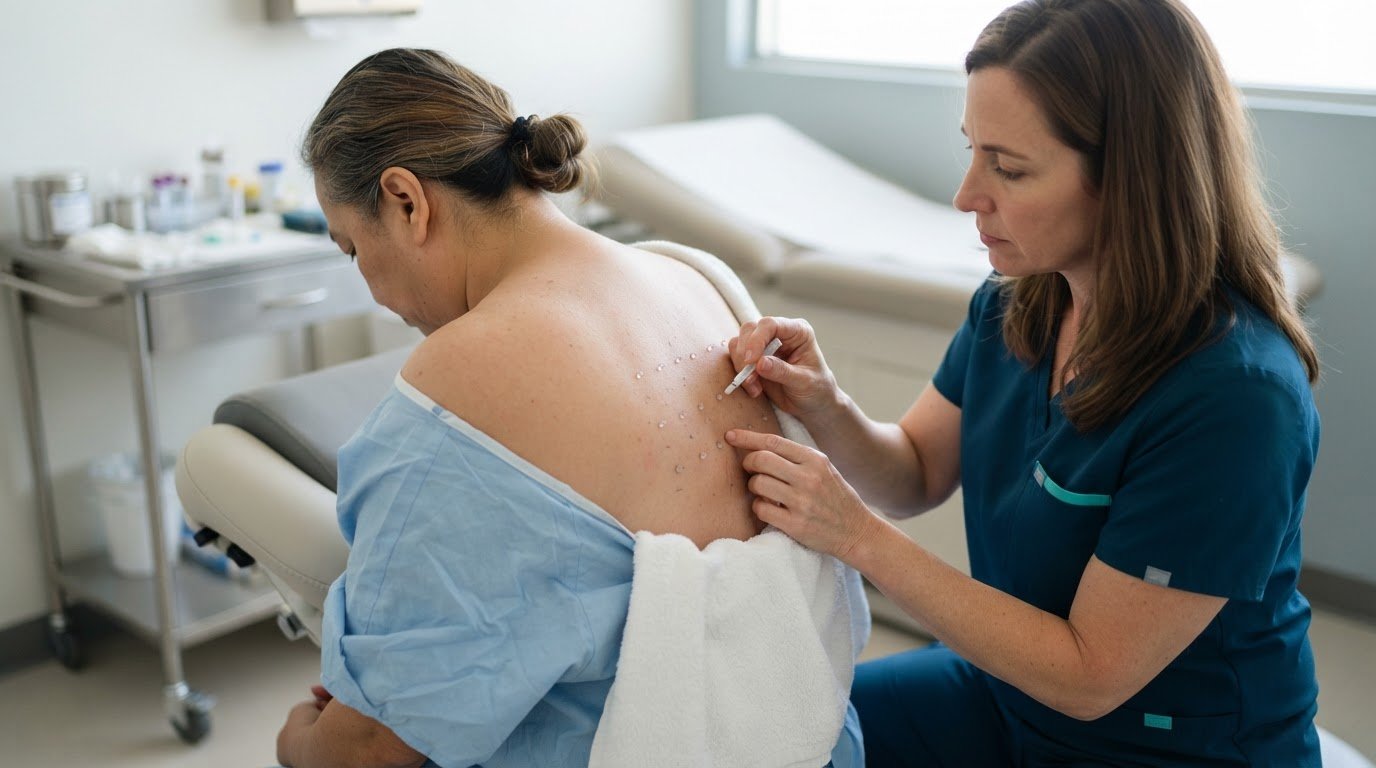
The test itself is only part of the picture; what you do afterward matters, too. Knowing how to prepare for an allergy test starts with reviewing... Continue reading
READ MORE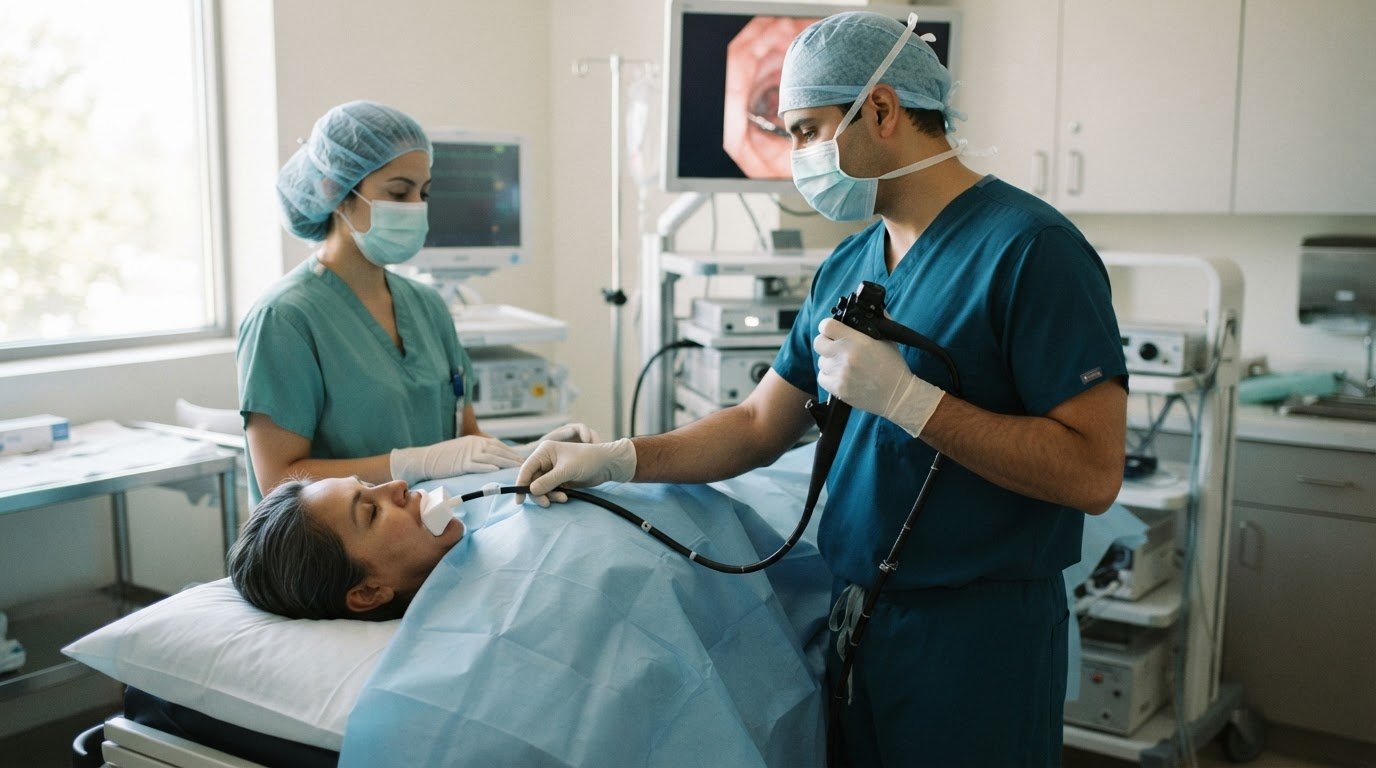
A gastroenterologist typically leads the diagnosis of eosinophilic esophagitis (EoE). An upper endoscopy with esophageal biopsies is needed to... Continue reading
READ MORE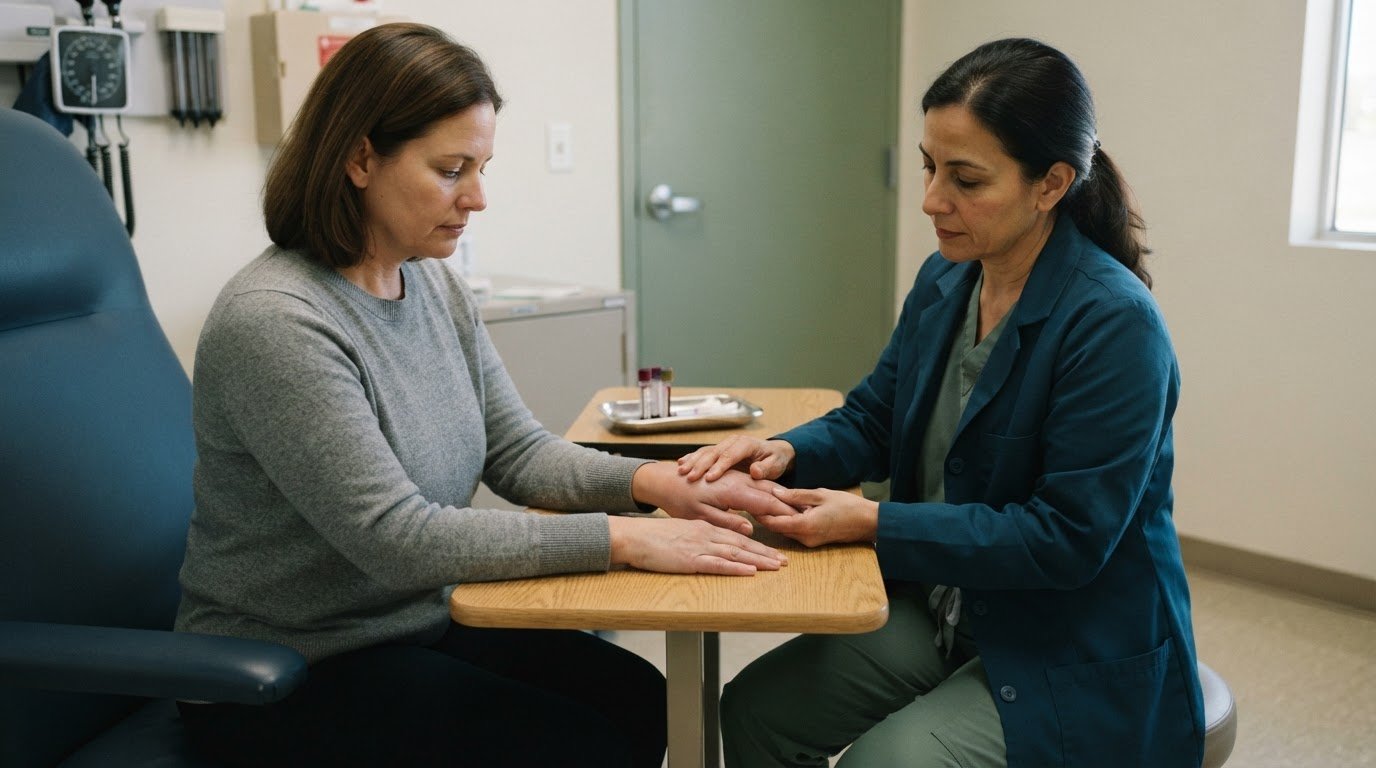
The right specialist for angioedema depends on what’s causing the swelling. An angioedema specialist in Selma, often an allergist-immunologist, can... Continue reading
READ MORE