
Cat allergies can be treated, and cat allergy shots in Fresno may be an option when allergy testing and your medical history support cat-triggered... Continue reading
READ MORE

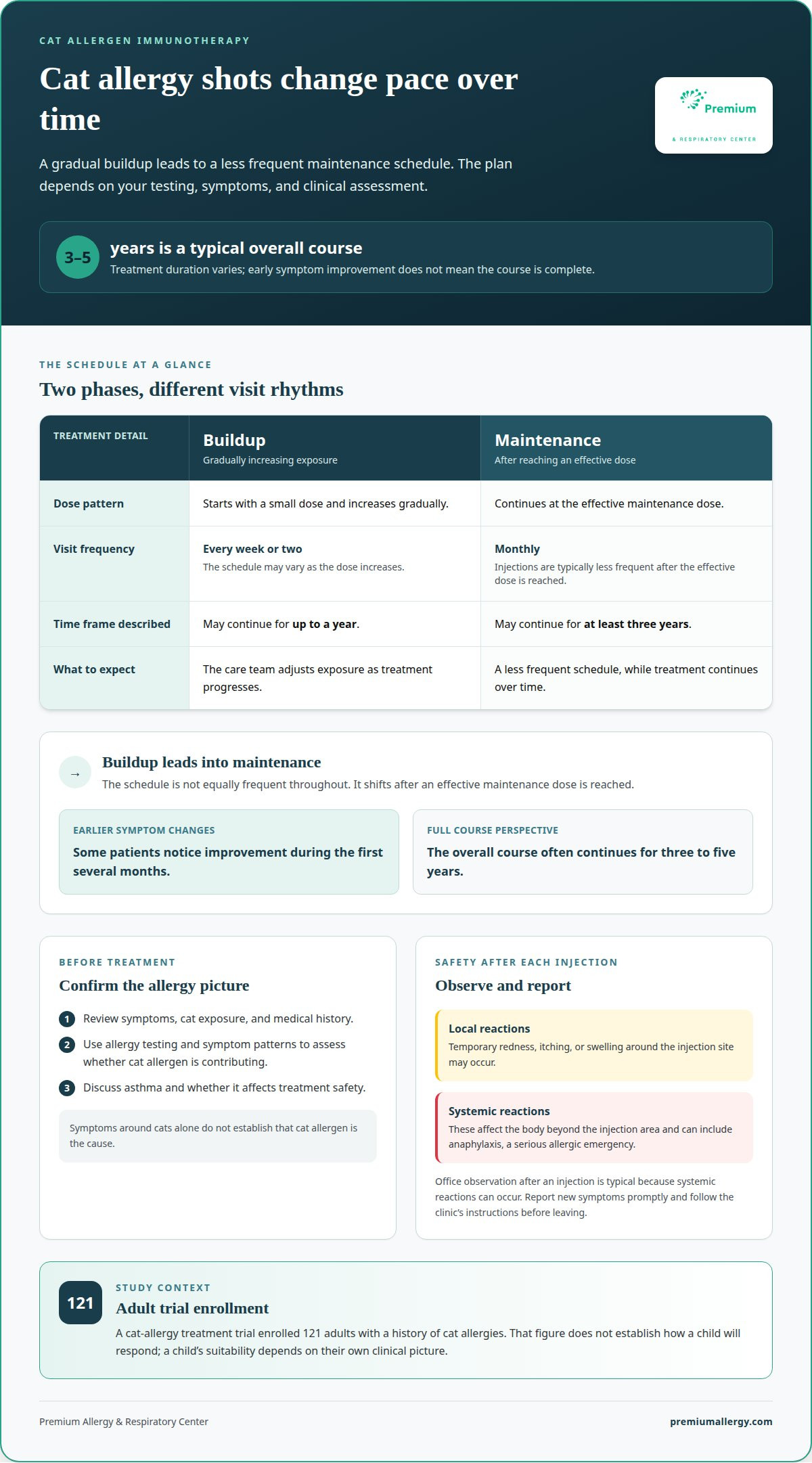
Cat allergies can be treated, and cat allergy shots in Fresno may be an option when allergy testing and your medical history support cat-triggered symptoms. Allergy shots gradually increase exposure to the relevant allergen before moving to a maintenance dose; a typical course often continues for three to five years. Because systemic reactions, including anaphylaxis, can occur, patients are typically observed in the medical office after an injection.
It’s understandable to want relief without guessing which treatment is right or what to expect from shots. This guide explains how cat allergen immunotherapy and traditional allergy shots work, who may benefit, and what side effects and post-injection observation can involve. You’ll also learn how the treatment schedule progresses and why an allergy evaluation matters, so you can better understand your options and feel prepared to discuss managing your symptoms.
At a first allergy appointment in Fresno, expect a review of your symptoms, cat exposure, and medical history. The clinician may also consider allergy testing and whether asthma affects treatment safety. Bring examples of reactions, such as sneezing after visiting a home with cats.
After an injection, temporary redness, itching, or swelling can develop around the injection site. These local reactions differ from systemic reactions, which affect the body beyond the injection area. Systemic reactions can include anaphylaxis, a serious allergic emergency. Tell the clinic about any symptoms that occur after a shot.
Observation in the medical office after an allergy injection is typical because systemic reactions can occur. Use that time to report changes promptly rather than leaving without mentioning a new symptom. The observation period is a safety measure, not evidence that a reaction will happen.
Before a shot, share relevant changes in your health, especially worsening asthma symptoms or a recent reaction to an injection. This information helps the care team assess the situation before proceeding. Follow the clinic’s instructions about staying for observation after each injection.
The cat-allergy treatment trial enrolled 121 adults with a history of cat allergies, according to the Journal of Allergy and Clinical Immunology. That figure describes the adults enrolled in the trial; it does not establish how a child will respond. Children’s suitability depends on their own clinical picture.
An adult trial alone does not establish an age cutoff. For a child, the assessment may consider symptom history, test findings, asthma control, and ability to complete injections and observation. A parent or caregiver can help describe cat exposure and past reactions. For example, note whether symptoms followed indoor contact, even if the cat was not nearby.
Clear reporting supports safer decisions at every visit. Record the timing and type of any reaction, then share it before the next injection. The care team can use that information when considering the child’s or adult’s ongoing treatment plan.
Cat allergen immunotherapy uses measured exposure to build tolerance over time. Testing, treatment history, and symptom patterns help determine whether it may be appropriate.
Eligibility means testing and clinical history support cat allergy, and immunotherapy is appropriate. Symptoms around cats alone don’t establish that cat allergen is the cause.
Discuss when symptoms occur, such as after visiting a home with cats, and whether they include nasal or breathing problems. Testing helps connect those experiences to cat allergy. Cat allergens include proteins from cats’ skin, saliva, and urine; Fel d 1 is a major cat allergen found in proteins produced in saliva, skin, and dander. Allergens can travel through the air and settle on clothing, bedding, carpeting, and furniture, so symptoms may continue after a cat leaves a room.
Improvement can begin during the first several months, while a typical course often continues for three to five years. Early symptom changes don’t mean the full course is complete.
How long does cat allergy shot treatment take before symptoms improve? Some patients notice improvement during the first several months, while the overall course often lasts three to five years. Timing depends on the treatment plan and how symptoms change as therapy continues.
Research has also examined treatment combinations. In the CATNIP study, people receiving tezepelumab with traditional allergy shots had less severe symptoms after cat-allergen exposure than people receiving shots alone. The combination group received shots for nearly a year, starting weekly and then moving to monthly injections. Some benefits of combined treatment lasted at least a year after treatment ended. These findings describe a study combination, not the usual shot schedule or a guarantee of individual results.
Discuss how your symptoms, test findings, and response over time shape the plan. This helps keep expectations grounded as treatment progresses.
Traditional allergy shots use gradually increasing doses of a relevant allergen. The goal is to reduce sensitivity and ease symptoms over time.
Treatment starts with a small dose, then increases it gradually. This buildup lets the care team adjust exposure as treatment progresses. Once you reach an effective maintenance dose, injections are typically given less frequently. The schedule changes as your dose changes.
For cat allergy, standard shots may be given every week or two for up to a year. After that, monthly shots may continue for at least three years. The exact schedule follows the buildup and maintenance phases, rather than staying equally frequent throughout.
How often are cat allergy shots given during buildup and maintenance? During buildup, they may be given every week or two for up to a year. During maintenance, shots may be monthly for at least three years.
How do shots compare with cat allergy drops or medication? Shots deliver allergen by injection, with doses gradually increased before maintenance. Drops use a different route, while medication is a separate treatment approach. These options aren’t interchangeable descriptions of the shot schedule.
Insurance coverage and copays vary with your plan’s benefits and how treatment is billed. There isn’t one typical copay that applies to every California patient. Review your plan’s allergy-treatment benefits and cost-sharing terms to understand your own expenses.
Consider the practical commitment, too. A buildup schedule of weekly or every-two-week visits can require regular planning. The later monthly maintenance phase is less frequent but may continue for at least three years. For example, someone balancing work or school can map clinic visits against those recurring intervals. Keeping a record of doses and appointment timing can help you follow the treatment plan consistently.
Traditional shots are a gradual treatment, not a single injection. The schedule moves from small, increasing doses toward maintenance, with frequency changing along the way. Understanding that progression can help you weigh visits alongside symptom goals and other treatment options.
Cat shots may be considered when allergy testing and clinical history support cat allergy, and immunotherapy is appropriate. A positive test alone doesn’t explain every symptom. The key is whether test findings fit the timing and pattern of your reactions. For people considering cat allergy shots in Fresno, that connection helps guide the discussion.
Start by describing your symptoms and likely exposures. For example, note whether congestion, sneezing, itchy eyes, or breathing symptoms occur after visiting a home with cats. Share how quickly symptoms begin and whether they continue after you leave. These details help connect possible cat exposure with test results.
Testing helps identify whether your immune system reacts to cat allergens. Results need to be interpreted alongside your history, rather than treated as a diagnosis on their own. Tell the clinician about other suspected triggers, such as seasonal pollen or dust, because overlapping exposures can make the source of symptoms harder to distinguish.
Asthma also matters in the treatment discussion. For people with severe, uncontrolled asthma triggered by cats, deliberately increasing cat exposure can carry greater risk than for people with mild allergic rhinitis. Share recent changes in breathing symptoms and any asthma history before discussing immunotherapy. This context helps shape an appropriate plan for cat allergy shots in Fresno.
Before an evaluation, organize a few useful details:
This information gives the clinician a clearer picture than a test result alone. If symptoms and testing point toward cat allergy, discuss whether allergen immunotherapy fits your health history and treatment goals. If you’re ready to explore the next step, discuss allergy testing and treatment options with a specialist.
Premium Allergy & Respiratory Center offers Allergic Rhinitis Treatment for people managing nasal symptoms that may affect daily life. If cat exposure brings sneezing, congestion, or itchy eyes, an evaluation can help connect your symptoms with possible allergy triggers and discuss appropriate care. For people whose cat-related symptoms also involve asthma, Asthma Management can address that part of their care. The next step is a conversation about your symptoms, exposure history, and testing needs, so your care can be guided by the full picture rather than symptoms alone. Contact Premium Allergy & Respiratory Center or visit premiumallergy.com to learn more.
Choosing a treatment path starts with understanding how your symptoms affect daily life. If you’re considering cat allergy shots in Fresno, bring a clear account of your reactions and possible triggers to your next allergy discussion. This context can help shape a focused conversation about diagnosis and care.
Premium Allergy provides Allergic Rhinitis Treatment and Asthma Management for people addressing nasal or breathing symptoms. Food Allergy Testing is also available when food-related reactions are a concern. The right next step is a thoughtful evaluation of your symptoms, not a one-size-fits-all plan.
Take a proactive step toward understanding your options. Contact Premium Allergy & Respiratory Center to discuss your allergy care. Clearer answers can help you move forward with greater confidence.
Yes. Treatment can include symptom management and allergen immunotherapy, depending on your allergy evaluation and health history. For example, someone with nasal symptoms around cats may discuss allergic rhinitis care, while breathing symptoms also make asthma relevant. Start by noting where reactions happen and what they feel like. That practical record can help guide a focused discussion about suitable options.
Allergy shots are injections containing a carefully selected allergen, given as part of immunotherapy. For cat-related symptoms, cat allergen may be included when testing and clinical history support that connection. The treatment plan is tailored around the allergens being addressed, rather than using a generic injection for every allergy. This distinction matters if you react to cats and other triggers, such as pollen.
Cat allergens are proteins that can trigger symptoms in people who are sensitive to them. They’re found in cat skin, saliva, and urine; Fel d 1 is a major allergen associated with cats. These particles can travel beyond the animal itself. For example, allergens may cling to a jacket or bedding, so exposure can happen in a room where no cat is present.
Immunotherapy introduces measured amounts of the relevant allergen so the immune system can become less sensitive over time. A clinician considers your test results and symptom history when deciding whether cat allergen belongs in the treatment plan. For instance, symptoms after visiting a cat-owning home can be discussed alongside testing. Treatment takes sustained follow-through, so your symptom changes and injection responses help inform ongoing care.
Shots can cause temporary redness, itching, or swelling where the injection was given. A systemic reaction, including anaphylaxis, can also occur, which is why patients are typically observed in the medical office afterward. Tell the care team about any new symptoms before leaving. If a reaction develops after you return home, follow the medical guidance provided for your situation and seek emergency help for severe symptoms.
Cat allergies can be treated, and cat allergy shots in Fresno may be an option when allergy testing and your medical history support cat-triggered... Continue reading
READ MORE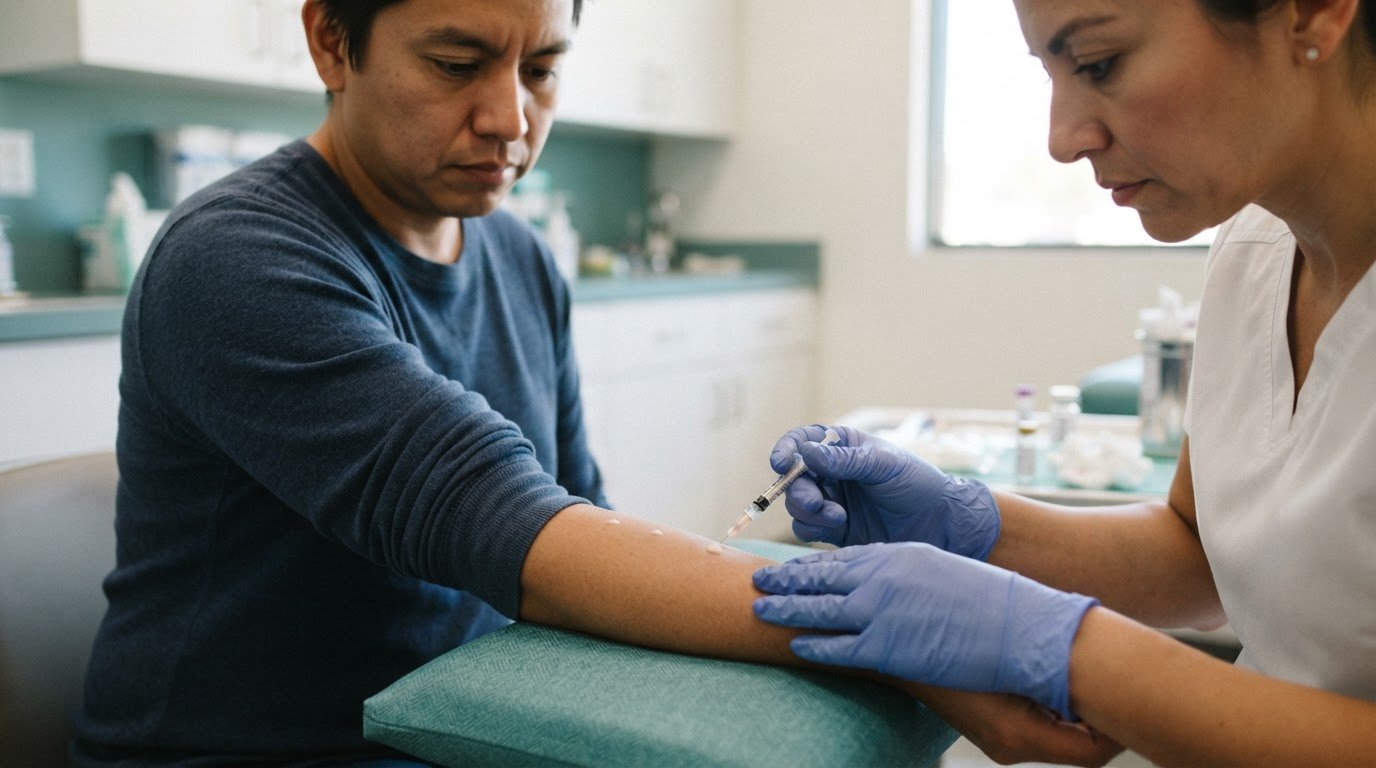
Hives, swelling beyond the sting site, dizziness, nausea, throat or tongue swelling, and difficulty breathing can signal a serious wasp sting... Continue reading
READ MORE
About 2% of fire ant stings lead to severe reactions, so a sting that looks like a skin irritation can sometimes become an emergency. An allergic... Continue reading
READ MORE
One food challenge doesn’t fit every allergy: an oral food challenge with an allergist in Selma is tailored to the suspected allergy, your medical... Continue reading
READ MORE