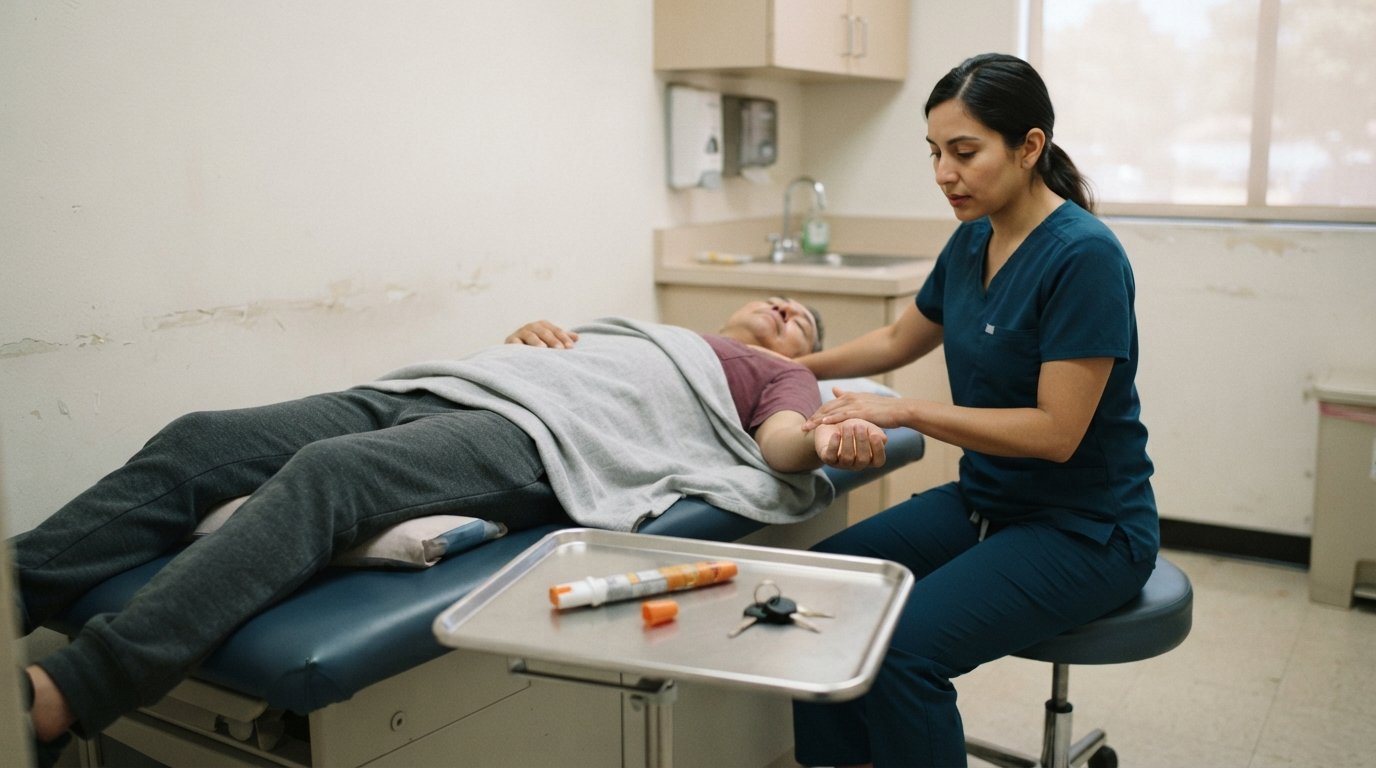
After using an EpiPen, don’t drive yourself to the hospital. If you’re wondering what to do after using an EpiPen, call emergency services and get... Continue reading
READ MORE
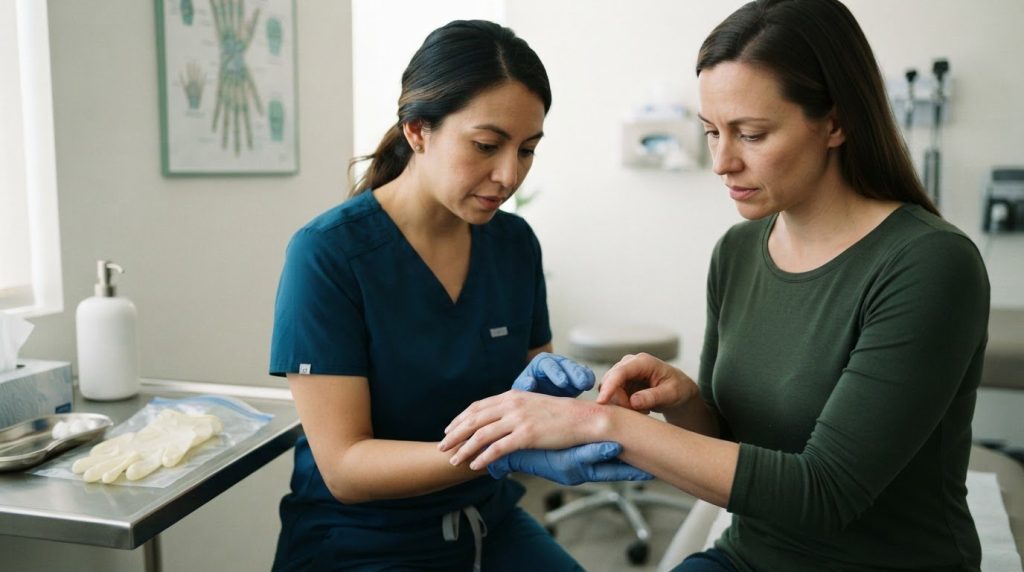
A latex reaction can become apparent after repeated exposure, and reactions may worsen with continued exposure. Latex allergy testing in Selma usually begins with a review of your symptoms and latex exposure, followed by appropriate testing, often a blood test. Results are interpreted alongside your clinical history.
It’s understandable to want clear answers about latex allergy testing and its cost before arranging an appointment. A careful evaluation can help distinguish a suspected latex allergy from other causes of a reaction. The testing approach depends on your symptoms and clinical history.
Learn how latex allergy is assessed, what may affect testing costs in Selma, and how to prepare for an appointment. A clear history of symptoms and possible exposures helps the allergist evaluate your concerns and discuss next steps.
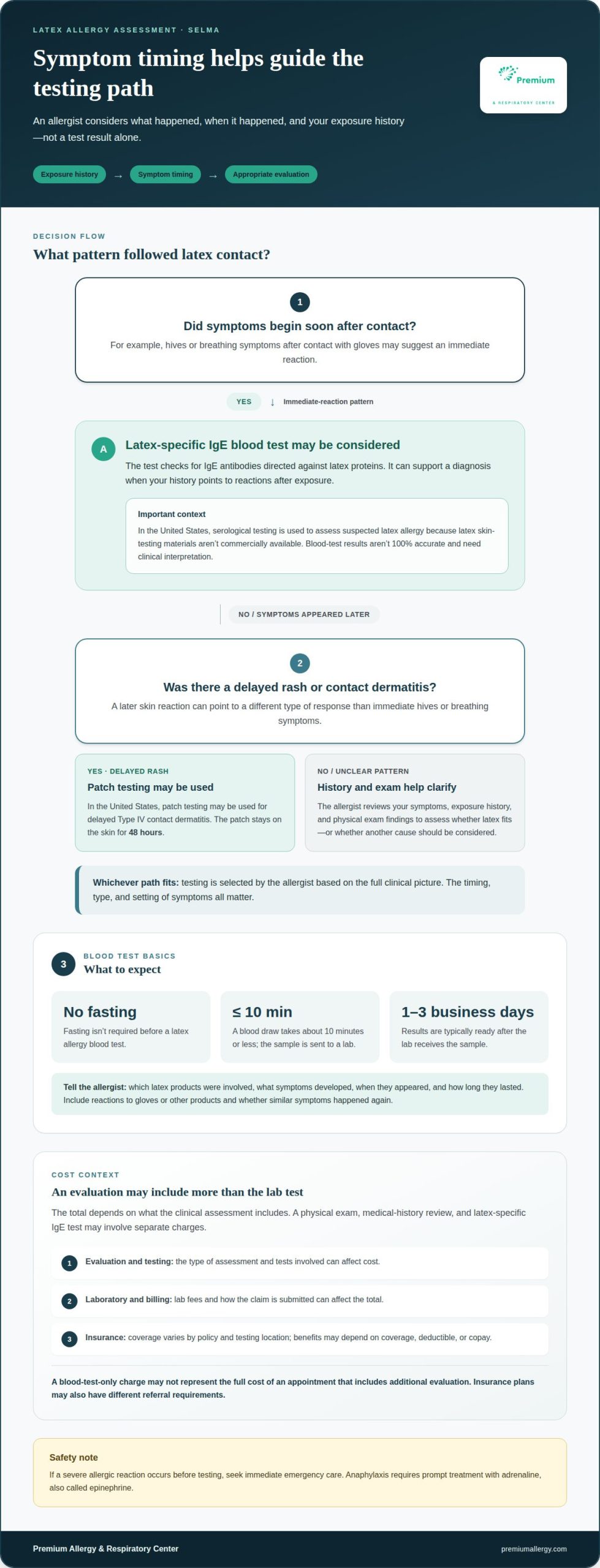
An allergist reviews your exposure history, symptoms, and physical exam findings. Blood testing can assess latex-specific IgE, while skin and patch tests address different types of reactions.
The timing and type of symptoms help guide the evaluation. Hives or breathing symptoms after contact with gloves may suggest an immediate reaction; contact dermatitis can appear later. In the United States, serological testing is used to assess suspected latex allergy because latex skin-testing materials aren’t commercially available.
This blood test checks for IgE antibodies directed against latex proteins. It can support a diagnosis when your history points to reactions after exposure, but results aren’t 100 percent accurate and need clinical interpretation. A physical exam and exposure details help the doctor assess whether the result fits your symptoms. Results are typically ready 1 to 3 business days after the lab receives the sample.
Preparation means following the appointment instructions and sharing relevant symptoms and exposure details. No fasting is required before a latex allergy blood test. A blood draw takes about 10 minutes or less, and the sample is sent to a lab. Tell the doctor about reactions to gloves or other latex products, including when symptoms appeared and how long they lasted.
A latex skin test can cause a raised bump where latex protein contacts the skin. Only an allergist or another healthcare professional experienced in skin testing should perform it. In the United States, patch testing may be used for delayed Type IV contact dermatitis; the patch stays on the skin for 48 hours.
If you have a severe allergic reaction before testing, seek immediate emergency care. Anaphylaxis requires prompt treatment with adrenaline, also called epinephrine.
Avoiding latex helps prevent further allergic reactions. At home and in healthcare settings, tell people involved in your care about a suspected latex allergy. Use vinyl or nitrile gloves instead of latex gloves.
The cost of a latex allergy evaluation depends on what the clinical assessment includes. A physical exam, medical history review, and latex-specific IgE blood test may involve separate charges. Laboratory fees and billing can also affect the total. A blood test alone may not reflect the full cost of an appointment that includes additional evaluation.
Insurance coverage and accepted plans vary by policy and testing location. Benefits may depend on whether your plan covers the test, how the laboratory submits the claim, and your deductible or copay. Review your plan’s allergy-testing and laboratory benefits before your appointment. Ask whether blood testing and the clinician’s evaluation are billed separately.
The reason for testing matters, too. An allergist considers your symptoms, exposure to natural rubber products, and the type of reaction being investigated. A suspected immediate allergic reaction differs from delayed contact dermatitis, so the assessment may involve different methods. Because latex skin-testing materials aren’t commercially available in the United States, serological testing is used to assess suspected latex allergy.
Share specific examples, such as symptoms after wearing rubber gloves or handling another latex product. Mention any history of severe reactions or anaphylaxis, and whether epinephrine was needed. If foods such as banana have caused symptoms, tell the allergist so they can consider that alongside your exposure history. Latex-food syndrome describes an association between latex allergy and sensitivity to some plant foods with similar proteins. This context helps clarify which concerns need evaluation, rather than assuming every symptom has the same cause.
For questions about other suspected allergens, blood allergy testing can be a relevant part of an allergy evaluation. A clear record of symptoms and exposures helps focus the discussion on the testing that fits your concern.
Expect the allergist to ask about your symptoms, possible latex exposure, and reaction history. The timing and setting can help connect a reaction with a product or task. Describe whether symptoms involved your skin, breathing, or both, and whether asthma or dermatitis is part of your health history. A physical exam may also help assess your concerns.
Bring a clear account of exposures and reactions. For example, note whether symptoms followed contact with latex gloves at work or another rubber product at home. Include these details:
This record gives the allergist concrete examples to consider alongside your exam. For workplace exposure, describe the duties or products involved rather than simply saying you work around rubber. Mention any delayed rash that could suggest contact dermatitis, as well as immediate symptoms after contact. These distinctions help guide the evaluation.
A person being evaluated for possible latex allergy may be referred to an allergist, a healthcare professional who specializes in allergies. Whether you need a referral before an appointment depends on your health plan’s rules, so requirements can differ between plans.
The allergist will decide which assessment fits your history. A latex-specific IgE blood test may be considered when your symptoms and exposure suggest latex allergy. The test looks for antibodies related to latex proteins, and the result is interpreted alongside your clinical history. Describe the sequence of events clearly, including what you touched and how your symptoms changed. These details help distinguish a suspected latex reaction from another cause and provide a focused basis for discussing next steps.
For suspected latex allergy in Selma, seek an allergist, a healthcare professional who specializes in allergies. The specialist can review your symptoms, exposure history, and possible testing options. A latex evaluation involves more than finding a place for a blood draw: the allergist connects your reactions with specific products, settings, and timing.
Start by describing what happened and where. For example, explain whether symptoms followed contact with gloves during medical care, workplace duties, or household tasks. Note whether you developed skin irritation, hives, or breathing problems. Repeated exposure and the type of reaction help shape the assessment. Bring any relevant records from previous allergy evaluations.
Testing may include a blood test for latex-specific IgE, interpreted alongside your clinical history. In the United States, serological testing is used to assess suspected latex allergy because latex skin-testing materials aren’t commercially available. A laboratory can perform the blood draw, while an allergist provides the broader clinical assessment. Results alone don’t explain every symptom, so your history remains important.
As you arrange an evaluation, consider what you need answered. An appointment can address whether your symptoms fit a latex allergy, which exposures may be relevant, and what precautions could help reduce contact. If reactions happen in a healthcare setting, tell staff about the suspected allergy before treatment. If workplace gloves trigger symptoms, describe the tasks and products involved. These examples give the allergist useful context.
Choose an allergy-focused evaluation that considers both symptoms and test findings, rather than treating a laboratory result as the whole diagnosis. For related allergy concerns, you can explore blood allergy testing as part of an assessment. The next step is to arrange a professional evaluation and share a clear account of your reactions, exposures, and concerns.
Premium Allergy & Respiratory Center provides allergy testing and care for allergic and respiratory conditions. If latex exposure may be linked to your symptoms, bring your reaction history and testing questions to an allergy consultation. The clinic offers in-person appointments at its Fresno location and virtual consultations. Blood allergy testing may be relevant when assessing possible allergy triggers.
Care can also address related concerns, including asthma management, allergic rhinitis treatment, food allergy testing, and penicillin allergy testing. Sharing how symptoms relate to specific exposures helps guide a focused discussion about your concerns and possible next steps.
If you’re ready to discuss your allergy concerns, contact Premium Allergy & Respiratory Center.
Considering latex allergy testing in Selma can be a meaningful step toward understanding reactions and planning safer routines. Bring your questions to an allergy professional and discuss how symptoms affect work, healthcare visits, or daily activities. A clear conversation helps identify what information matters for your care.
Premium Allergy & Respiratory Center also offers care for related concerns, including allergic rhinitis, asthma, and food allergies. If these issues overlap with your symptoms, discussing them can help create a more complete picture of your allergy needs.
If you’re ready to take the next step with latex allergy testing in Selma, contact Premium Allergy & Respiratory Center. Each informed step can help you move forward with greater confidence.
No fasting is required before a latex allergy blood test. You can eat and drink normally beforehand unless another test or medical instruction applies to your visit. If your appointment includes additional testing, follow the instructions provided for that evaluation. Bringing a list of your current medicines can help the allergist understand your situation and explain any test-specific preparation.
Irritation can cause skin discomfort without an immune response to latex proteins, while an allergy involves the immune system reacting to latex. Symptoms and timing offer clues, but don’t establish the cause on their own. For example, a rash after glove use may have more than one explanation. An allergist considers your exposure history, symptoms, and test findings together.
Your allergist interprets results alongside your symptoms and exposure history, then discusses what they mean for your care. A result alone may not explain every reaction, so share any new examples, such as symptoms after handling a product you didn’t mention before. If latex allergy is suspected, discuss ways to reduce exposure and what to do if symptoms occur again.
Evaluation can include a physical exam and blood testing for latex-specific IgE antibodies. In the United States, serological testing is used because latex skin-testing materials aren’t commercially available. Patch testing can help assess delayed Type IV contact dermatitis, which differs from immediate reactions. The allergist selects tests based on the symptoms and exposure pattern being investigated.
The total depends on the clinical evaluation and testing involved, such as whether the visit includes a specialist assessment and laboratory testing. Insurance coverage and out-of-pocket costs depend on your individual plan and benefits. Contact the clinic for current pricing. If reviewing insurance, check your plan’s terms for specialist visits and laboratory services separately.
Preparation depends on the planned evaluation, so bring a list of medicines, including antihistamines, and ask how they relate to your scheduled tests. Don’t change a prescribed medicine without guidance from the clinician who manages it. Also note the products involved in previous reactions, where exposure happened, and whether symptoms appeared quickly or later.
After using an EpiPen, don’t drive yourself to the hospital. If you’re wondering what to do after using an EpiPen, call emergency services and get... Continue reading
READ MORE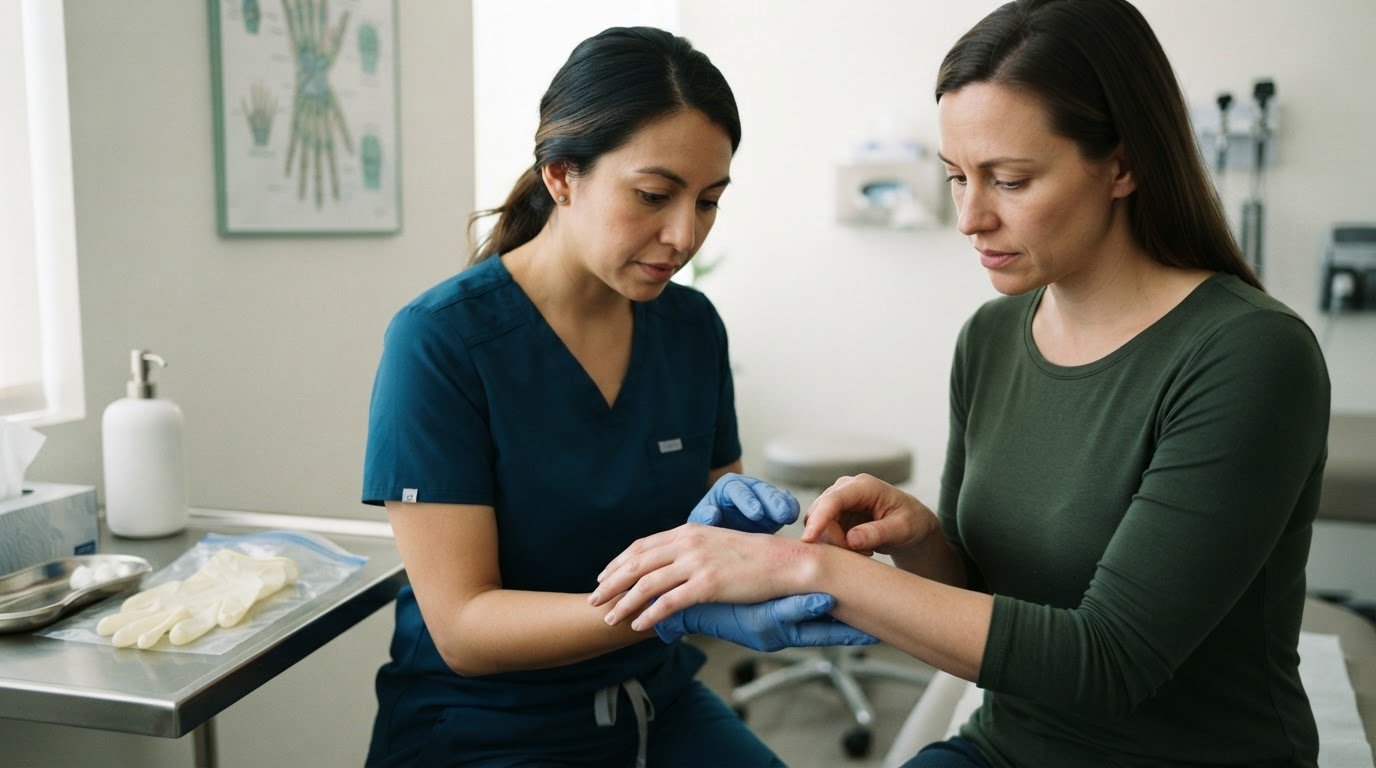
A latex reaction can become apparent after repeated exposure, and reactions may worsen with continued exposure. Latex allergy testing in Selma... Continue reading
READ MORE
A symptom list alone can’t establish mast cell activation syndrome (MCAS). For MCAS diagnosis and treatment in Clovis, clinicians assess whether... Continue reading
READ MORE
Allergy care is about more than naming a trigger. If you’re looking for an allergist that takes Medi-Cal in Fresno, you want to understand what... Continue reading
READ MORE