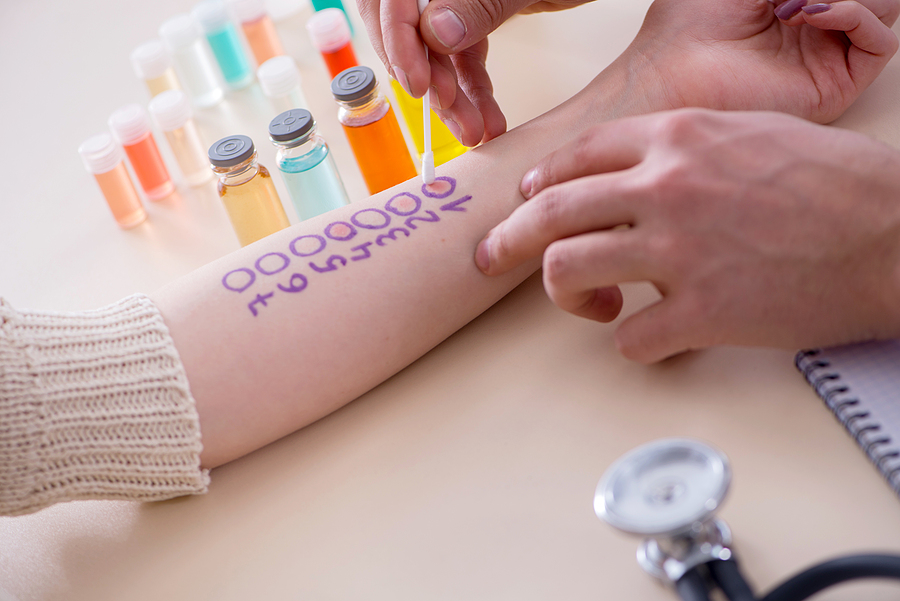
New Frontiers in Food Allergy Treatments
Posted By:SSG Admin Posted On:18-Mar-2026
San Diego ranks second as the most difficult place to live with pollen allergies. San Francisco is eleventh. Fresno residents aren’t protected from high pollen levels and other allergens. The Fresno area is famous for its almond orchards, grape vines, and tomato harvests. Pollen allergies can extend into food allergies.
Almond, peanut, and soybean allergies often occur in people with alder or birch tree pollen allergies. Potato and tomato allergies are common among those with Timothy grass or orchard grass allergies. If you’re allergic to mugwort weed pollen, you may also develop garlic and onion allergies. People with ragweed allergies may have trouble eating bananas, cucumbers, melons, and zucchini.
Over 106 million Americans have allergies or asthma. Seasonal allergies affect 83 million people. Food allergies also impact about 20% of those with seasonal allergies. When you’re one of them, effective allergy treatments can often seem out of reach. However, new developments and laws aimed at protecting Californians from food allergies bring some good news.
Biosimilars – Omalizumab and Omalizumab-IgEc
Biosimilars are FDA-approved drugs made from a living organism that are copies of an original. Omalizumab and Omalizumab-IgE both bind to immune cells and block the proteins that cause inflammation, effectively preventing an allergic reaction before it begins.
Omalizumab (Xolair) gained FDA approval in 2024 and targets IgE antibodies in your immune system. It is effective for treating food allergies, including those to cashew, egg, milk, and peanut. It is administered as a subcutaneous injection every two to four weeks.
Last year, a second biosimilar received FDA approval. Omalizumab-IgEc (Omylco) works similarly and also helps lower histamine levels. It is administered via an injection in an allergist’s office every two to four weeks or through an injectable pen at home.
BTK Inhibitor
Bruton’s tyrosine kinase (BTK) inhibitors are designed to treat certain cancers, including chronic lymphocytic leukemia. They work by blocking the protein needed for B-cell development.
Researchers reported their findings on the use of BTK inhibitors to prevent anaphylaxis in adults with peanut allergies. After four doses of this medication, participants could tolerate a median of 29 milligrams of peanut proteins before experiencing an allergic reaction. Seven patients consumed 4,044 milligrams of peanut protein without any reaction.
A third-phase study takes place later in 2026. If that trial goes well, the hope is that it will become a food allergy treatment within the next five years.
California’s ADDE Act
While this isn’t a treatment for food allergies, it will help Californians with them. The ADDE Act was passed in October 2025. Starting July 1, 2026, any restaurant with 20 or more locations must provide a list of the Top 9 Food Allergen ingredients found in menu items. It’s for definite items, not “may contain” or “shared facility” items. Those Top 9 Allergens include:
- Eggs
- Fish
- Milk
- Peanuts
- Sesame
- Shellfish
- Soy
- Tree Nuts
- Wheat
The information must be listed on the menu or through a QR code. If it’s offered via a QR code, customers must be given the option to print a copy. The ADDE Act will make dining out or ordering takeout safer for people with food allergies.
Gut Microbiome and Early Prevention
Your gut microbiome impacts your health in many ways. Believing that introducing healthy bacteria to a newborn’s system, the Allergic Disease Onset Prevention Study (ADORED) study focused on reducing food allergies and atopic dermatitis by giving infants STMC-103H, a live biotherapeutic mixture of beneficial bacteria.
Infants receiving STMC-103H or a placebo are through the first two phases of the trial as of November 2025. It showed a 77% reduction in food allergies. The third phase of this study is expected to start later in 2026.
Needle-Free Epinephrine
A needle-free epinephrine product received FDA approval in 2024 (2 mg) and 2025 (1 mg) for patients weighing at least 33 pounds.
Neffy is a nasal spray that eliminates the need for a needle injection, which can be stressful for children and individuals with needle phobias. Instead of the sudden jab of the needle, push the plunger and administer an inhaled medicine that travels into your nasal cavity’s mucus membranes.
It’s easier for people to administer, and it remains just as fast and effective. Since 83% of caregivers and patients hesitate before giving a shot, Neffy is perfect because it’s a simple press-and-spray mechanism. It also has a longer shelf life of up to 2.5 years, so it doesn’t require frequent replacement.
SLIT Tablets
In recent years, interest in sublingual immunotherapy (SLIT) allergy tablets has increased. SLIT tablets are dissolvable under the tongue, which helps the immune system learn to handle exposure to that allergen without overreacting.
Until now, SLIT tablets and drops have been used to treat allergies to dust mites, grass, and ragweed. Studies have also found SLIT treatments effective for lowering the severity of or easing allergic reactions to certain foods, including:
- Eggs
- Kiwi
- Milk
- Peanuts
- Sesame
- Soy
- Tree Nuts
- Wheat
SLIT treatments do not work overnight. It takes time for the body to build up a tolerance. Tablets are placed under the tongue each day for several years.
Viaskin Peanut Patch
More than 1,000 infants, toddlers, and children up to age seven were included in a trial run of a new peanut allergen patch. The patch sits on the skin and contains a tiny amount of peanuts. Every day, the peanut patch is moved to a different location.
After three years of testing, 71% of toddlers using DBV Technologies’ Viaskin Peanut Patch could eat up to four peanuts without a reaction. Around 46% were able to eat far more than that.
Due to the success of this patch, DBV Technologies expects to seek FDA approval in 2026.
Tips for Managing Food Allergies
With advances in food allergy treatments, you have more options than before. Make sure you carry a medical ID or bracelet that details your food allergy. Hopefully, you never need someone to use it, but it’s essential information for paramedics or doctors treating you in an emergency.
Don’t overlook the value of apps like Food Is Good (FIG) or Spokin when searching for foods in grocery stores and restaurants that meet your dietary needs.
If you’re traveling, bring a Chef Card that clearly communicates your allergy to a chef. It helps ensure that the foods you order are safe to eat. Even if you don’t have a card with you, ask the waitstaff to help you choose safe items.
You’d be surprised at how helpful restaurant staff are when dining out. I have an unusual allergy to lettuce, and one restaurant chef came to the table to talk about it. It turned out he was allergic to mango and understood the challenges that come with less common food allergies.
If you need epinephrine for your food allergy, bring two doses. One dose might be enough, but if you need a second, make sure you have it available. Check the expiration regularly to make sure your medication isn’t past its expiration date.
Make sure both your child’s teachers and the school office have a copy of your child’s Allergy Action Plan, a dedicated nut-free zone, and that staff are trained on administering epinephrine. It’s all part of the 504 Plan that’s required in California.
While avoidance of foods, dinners out, and social gatherings is the standard for dealing with allergies, it’s limiting. You shouldn’t have to avoid another wedding, holiday gathering, or dinner out because you’re afraid there will be nothing safe for you to eat.
Make an appointment with Dr. Sabry, a board-certified allergist in Fresno. After your consultation, you’ll be given real solutions that help you start the journey to an allergy-free, or at least less severe, lifestyle.