
Could a sting that starts with a sore, swollen spot become an emergency? The difference often comes down to whether symptoms stay near the sting or... Continue reading
READ MORE
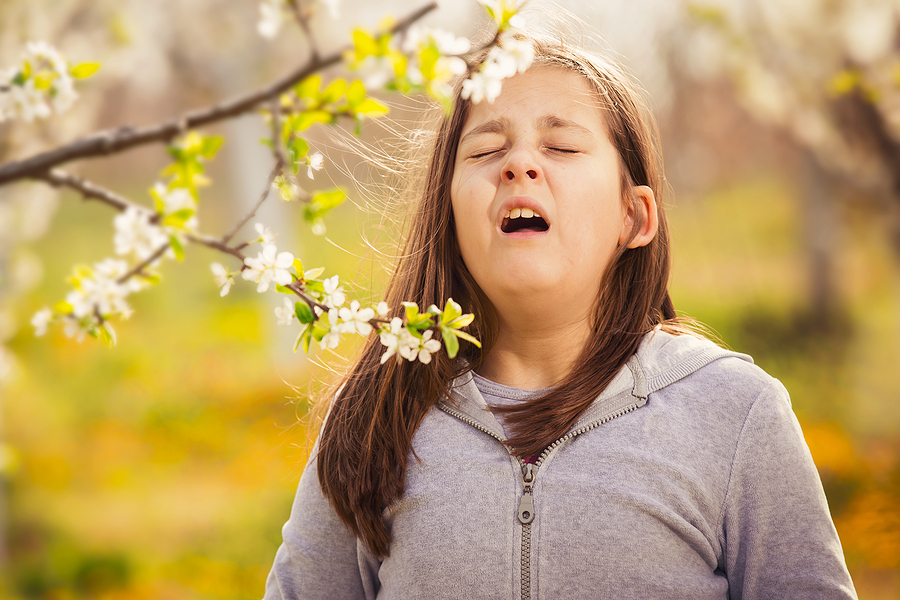
Breathtaking pinks, oranges, blues, and purples fill the Fresno skies as you relax at Spano Park. It’s a stunning way to end the day, but grass allergies make it very hard to spend time outside. Tree pollen gave way to grass pollen, and it’s hard to avoid having grass around when there are so many lawns, parks, and trails.
You step outside, and you can’t stop sneezing. It builds to a runny nose, itchy/watery eyes, and nasal congestion. You’re miserable and wonder if it’s even possible to leave the house anymore.
You don’t have to stay stuck inside. Make the most of the area’s farmers’ markets, outdoor spaces, and bountiful shopping. Join your friends or family for the week’s “Movies in the Park.” Enjoy the summer with our grass allergy survival guide.
A warmer climate is great for outdoor activities, but it does extend allergy season. That’s the one downfall to Fresno’s gorgeous climate. Many trees are already pollinating in February/March, and grass appears shortly after, with peak pollen counts occurring from March through September, depending on the type of grass.
| Type of Grass | Peak Season | Pollen Counts | Where It’s Found |
| Bermuda Grass | June to September | High to Very High | Backyard lawns, golf courses, orchards, parks, and vineyards |
| California Brome | April to July | High | Open fields, woodland areas, and meadows |
| California Fescue | May to July | High to Very High | Lower foothills, along rivers, and in woodlands |
| Johnson Grass | May to September | High to Very High | Ditches, fields, orchards, roadsides, and vineyards |
| Purple Needlegrass | March to June | High to Very High | Chaparrals, foothills, and natural open spaces |
| Zoysiagrass | May to July | High to Very High | Backyard lawns, golf courses, and parks |
Grasses grow well thanks to the wet, rainy winters and mild temperatures. As spring transitions into summer, valley winds and Delta breezes help transport the pollen around the terrain. But, there’s also the problem with the valley air being trapped by cooler mountain temperatures. Grass pollen tends to form high concentrations due to these thermal inversions.
The bustling agricultural industry also impacts summer allergies. Grass pollen mixes with the area’s agricultural dust and higher ozone levels, making it extremely difficult for people with allergies or asthma.
The best line of defense is to limit exposure to grass pollen. There are several ways to do this.
From 5 a.m. to 10 a.m., pollen counts are high because these are the cooler hours of the day. Pollen settles closer to the ground when the air temperature is cooler. Try to limit outdoor activities to 10 a.m. to 4 p.m.
Between 4 p.m. and 7 p.m., there’s a slight increase again. Avoid being outside during those hours.
Some factors can change pollen counts each day. Rain helps lower counts, making the day after a rainstorm ideal for being outside. It’s best to monitor the Fresno AQI for your specific area and use it to guide your time outdoors.
When you head outside, you can protect yourself by dressing for grass allergies.
Keeping pollen from building up in your home is also important. You can do this by:
When it comes to allergy medications, you have over-the-counter or prescription medications.
Medications you purchase from local stores or over-the-counter from your pharmacist include:
Prescription allergy medications are stronger and targeted to your specific symptoms. This makes them effective. They often have fewer side effects, too.
You have to go to a doctor for a prescription. If you ask for a referral to an allergist in Fresno, you’ll work with a specialist who runs tests and comes up with a specific allergy action plan that eases your symptoms and even helps retrain your immune system to stop overreacting to seasonal grass pollen.
If you’re struggling to function because your allergies are severe, it’s time to talk to a doctor. When allergies impact your daily life or make it hard to breathe, make an appointment. You don’t want to develop allergic asthma.
Working with Dr. Sabry at Premium Allergy & Respiratory Center provides you with the insight you need to start feeling better when allergy season hits. With precise testing to identify your specific allergen, you have the information needed to develop effective treatments.
Dr. Sabry specializes in immunotherapy. Instead of relying on medications, small doses of pollen are injected into your skin (allergy shots) or placed under your tongue (sublingual). These small doses retrain your immune system to react correctly. They can take time, but once they’re done, you’re allergy-free.
Make an appointment with Premium Allergy & Respiratory Center now. You’ll be on the path towards breathing easier all summer and enjoying Fresno’s ample outdoor spaces.
Could a sting that starts with a sore, swollen spot become an emergency? The difference often comes down to whether symptoms stay near the sting or... Continue reading
READ MORE
Could symptoms that flare around your pet have more than one explanation? Sneezing, itchy eyes, or congestion after time with an animal can raise a... Continue reading
READ MORE
Could a swollen, painful sting site mean something different from a dangerous allergic reaction? If you’re unsure what your symptoms meant or worried... Continue reading
READ MORE
What if the pollen, dust mites, or mold you suspect aren’t the whole story behind your symptoms? Environmental allergy testing can help identify... Continue reading
READ MORE