
Could symptoms that flare around your pet have more than one explanation? Sneezing, itchy eyes, or congestion after time with an animal can raise a... Continue reading
READ MORE
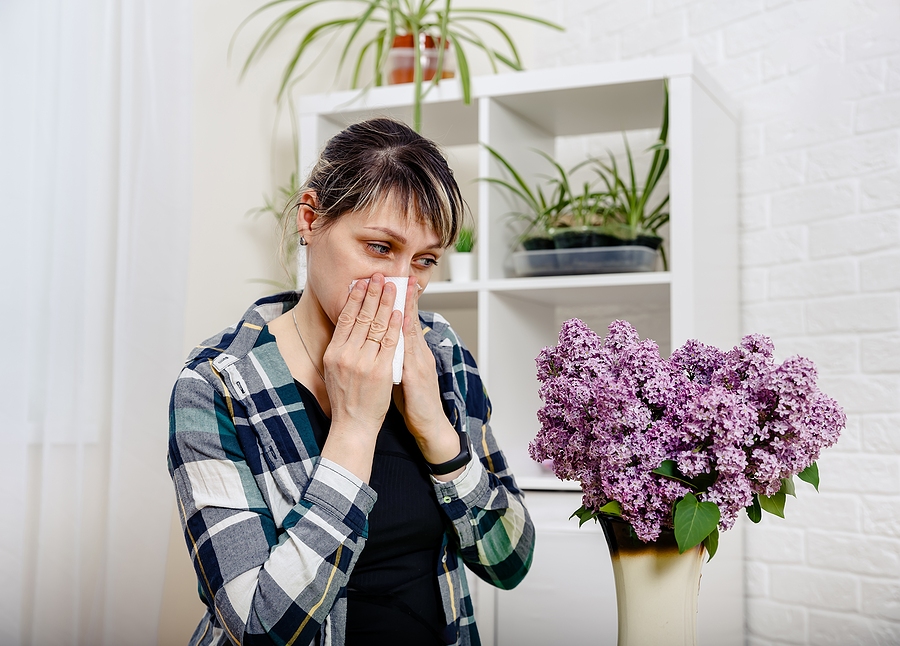
If you live in Fresno, Clovis, Sanger, or other parts of Fresno County, you know how hard allergies can hit. You go from cozy evenings by the fireplace to peak spring allergy season, with a thick layer of yellow pollen covering your car, patio furniture, deck, and sidewalk.
Once the pollen takes over, any time spent outside is unbearable. Your eyes burn, you can’t stop sneezing, and the inflammation in your sinuses is becoming too much. If you open a window to let in some fresh springtime air, pollen can enter your home and make it worse.
Because of Fresno’s unique geography and agricultural sector, allergies can seem unrelenting. Waiting until you feel the first symptoms is the wrong move. If you’re already starting to feel miserable, you’ve waited too long. You need to prepare for allergy season before it begins.
Fresno County’s environment requires a specific approach. Premium Allergy & Respiratory Center offers an in-depth guide to preparing for allergy season in advance to ensure your allergies don’t get in the way of your daily routine.
Before you can fight seasonal allergies in the Fresno area, you need to understand why it’s one of the more difficult areas for allergy patients. The area’s plants and trees, agricultural businesses, and geography are behind the challenges you face.
Fresno lies within the bowl-shaped structure of the Central Valley. The valley is low in elevation, while the surrounding Sierra Nevada and Coast Ranges are much higher. Layers of hot and cold air form and trap particulate matter near the ground.
As pollen is released, it often settles near the ground, so pollen counts remain high. There’s more than pollen, however. You’re also dealing with higher levels of dust and fertilizers from the area’s farms, vehicle exhaust, and manufacturing emissions.
Mild winters and changing temperature patterns mean that the growing season is starting earlier than usual and extending longer. The pollens you experience throughout the year in Fresno include:
If you wait until March to buy your allergy medications or get your prescriptions refilled, your immune system will already be ramping up. Allergies are best controlled when you follow a rigid schedule. When you’re experiencing seasonal allergies, you often go all winter without taking anything. You need to get started before the pollen release.
The biggest mistake allergy sufferers make is using nasal steroid medications like Flonase after allergies are severe. Your body has already produced histamines, which cause the symptoms you experience.
Over-the-counter corticosteroid nasal sprays like Budesonide or Fluticasone don’t work instantly. You’ll feel a slight improvement within 10 minutes, but they need 10 to 14 days of continued use to provide the full benefit and reduce chronic inflammation.
Talk to your primary care physician or schedule an appointment with Premium Allergy to discuss the optimal oral antihistamine regimen. The medications that worked for you last year may not work as well this year. Rotating medications ensures they help manage your symptoms.
You might also want to learn about immunotherapy. These methods help train your body’s immune system to stop overreacting to an allergen exposure. Our allergist offers three options:
If your home has an HVAC system, it can help you battle seasonal allergies in Fresno. Run the fan when the heat and AC are turned off. You want to keep air circulating through the ducts and the air filter.
Check with your HVAC company, but most systems work well with MERV 13 filters. This air filter captures finer particles, and that helps a lot with spring pollen. Ideally, aim to switch to MERV 13 in January.
Make sure you’re changing filters often enough. Sometimes, people believe that the air filter is something the HVAC technician changes when doing a yearly cleaning. Filters need to be changed far more frequently to prevent allergens and keep your HVAC system running smoothly. You should check the filter every month or two and change it if you can’t see light through it anymore.
Invest in a high-efficiency particulate air (HEPA) air purifier system. Even if you have an HVAC system, adding HEPA air purifiers to your bedroom and main living areas helps keep your allergies from flaring up. If someone carries pollen into your home on clothing or in their hair, your air purifier removes it.
It’s a good time to check your home‘s doors and windows for drafts. You don’t want pollen-laden air coming into your home through a small crack at the bottom of a door sill or a gap in your window’s weatherstripping.
If you notice worn weatherstripping or rubber seals, replace them. If there’s missing caulk, add more to get your house airtight.
Pollen counts tend to be highest from 5 a.m. to 10 a.m. That’s when trees, grasses, and other plants release pollen to be spread on the day’s wind currents. Late afternoon or right after an uncommon rainstorm is the best time to be outside when you have seasonal allergies.
If it’s supposed to be extremely breezy, the air will carry more agricultural dust and pollen. You might want to limit time outside on windy days.
Check the air quality and pollen forecasts every day. Track both the Daily Pollen Count and Air Quality Index (AQI) and use the times of day when they’re lowest to spend time outside.
When you, friends, and other people in your household enter your home, you carry in sticky pollen spores on your clothes, skin, and hair. If you have a dog, it comes in on its fur. A trip to the River Park Farmers’ Market loads you up with microscopic particles of pollen.
Avoid bringing that into your home by creating a decontamination zone outside of your house. A garage or breezeway is a good place to set it up. Strip off as many clothes as you can and leave the outerwear outside. Go straight in and shower. If you have a dog, use dry shampoo and a brush to remove as much pollen as possible.
The goal is to keep as much pollen out of the bedroom as possible. You don’t want pollen on your hair, getting all over your pillow at night.
Fresno’s lush outdoor environment and surrounding national parks make it a place where you want to be outside as much as possible. Once you realize the value of staying proactive, your symptoms will improve.
When you have medications ready, a tightly sealed house, and the best air filtration system for your budget, it’s easier to breathe. Get started by making an appointment with Premium Allergy & Respiratory Center.
Our doctor specializes in allergies and asthma. She’ll test you to identify the allergies that impact your respiratory system and find effective treatments. With advancements in immunotherapy, you could get lasting relief through allergy shots or sublingual allergy therapies.
Schedule an appointment online and start taking steps towards effective relief from the allergens that irritate your airways
Could symptoms that flare around your pet have more than one explanation? Sneezing, itchy eyes, or congestion after time with an animal can raise a... Continue reading
READ MORE
Could a swollen, painful sting site mean something different from a dangerous allergic reaction? If you’re unsure what your symptoms meant or worried... Continue reading
READ MORE
What if the pollen, dust mites, or mold you suspect aren’t the whole story behind your symptoms? Environmental allergy testing can help identify... Continue reading
READ MORE
A positive allergy blood test doesn’t automatically mean a substance is causing your symptoms. The test measures specific immunoglobulin E (IgE)... Continue reading
READ MORE