
Could symptoms that flare around your pet have more than one explanation? Sneezing, itchy eyes, or congestion after time with an animal can raise a... Continue reading
READ MORE
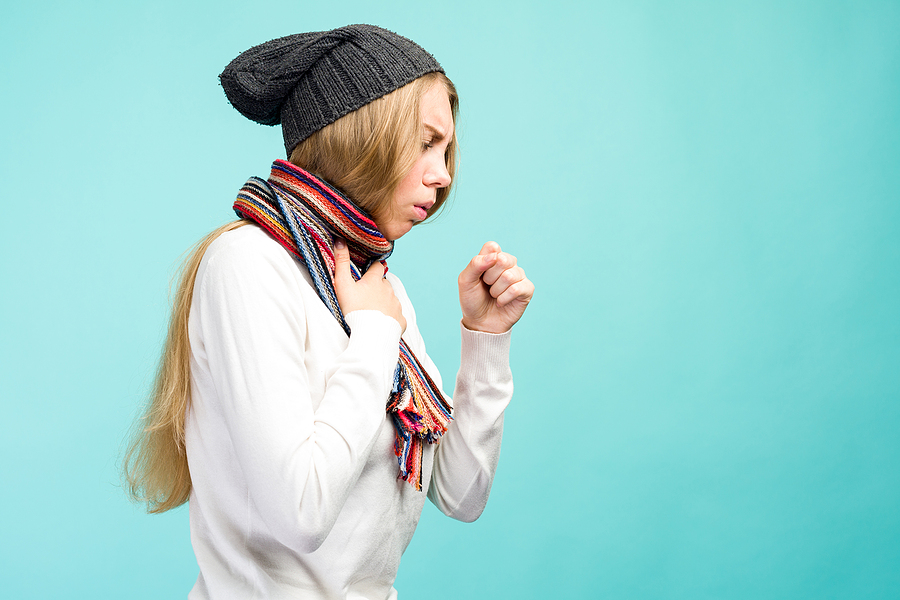
No matter what steps have been taken to limit almond dust during fall harvesting, allergy sufferers still struggle with winter respiratory symptoms. It’s hard to tell whether it’s a virus, the moisture and particulates trapped in winter’s tule fog, smoke from fireplaces and woodstoves, or almond dust that’s irritating your respiratory system.
When are your symptoms indicative of a cold or the flu? When is it an allergy flare-up? It is hard to be certain when symptoms are so similar. Our guide helps you navigate your symptoms and determine whether you’re sick with a virus or with something else that may require an allergist.
The downfall of a community surrounded by mountains, almond groves, and other agricultural industries is the prevalence of winter tule fogs. Tule fog occurs when warmer ground temperatures meet colder air temperatures, trapping moisture and particulates between the two layers.
That fog traps many pollutants and mold spores, creating a frustrating problem for people with allergies. Dust, smoke, and soot particles are among the most common in Fresno. You also have emissions from cars and trucks that haul produce from farms to manufacturers and retailers, as well as emissions from manufacturing and industrial plants.
In addition to those, wildfire smoke from other areas of California moves into the valley and becomes trapped. All of this affects people with allergies and asthma.
If you look at the air quality index (AQI) through 2025, January through May were relatively low. It started to increase in June and July, but September through the rest of the year were the worst months. Rainy days knock the numbers down temporarily, but they soon climb again.
The American Lung Association reports an average of 46.8 high-ozone days each year. A third of the year has ozone levels in the orange range. Particle pollution averages 28.8 days per year, with 71 days in the orange range. These numbers give Fresno an “F” for State of the Air.
It’s not just the AQI outside, either. Indoors is an allergen trap. You’re exposed to all of these allergens every day.
Viruses are passed from one person to the next, often through droplets of saliva that are airborne after someone coughs or sneezes. It’s also possible to get a virus by touching something that an ill person touched. Washing your hands kills the germs, but it’s not always easy to drop everything to get to a sink.
The common cold is something you experience many times. The flu and COVID-19 are other contagious viruses. Because there’s no vaccine for the common cold, it’s one you’re likely to be most familiar with. On average, an adult gets a cold two or three times each year.
More than 200 different respiratory viruses cause colds. Rhinovirus is the most common, followed by adenovirus, enterovirus, metapneumovirus, and parainfluenza. When you have a cold, symptoms usually last a week, but they can last longer in children, people with immunodeficiencies, or older adults.
Influenza is another common virus. It affects millions each year. It can lead to complications requiring hospitalization, which is more concerning. Like the flu, COVID-19 is common, even though it’s new to many people. It’s also more likely to lead to complications that send some people to the hospital.
In eight years, the rate of coccidioidomycosis in California’s Central Valley increased by 800%. Coccidioidomycosis (Valley Fever) is a fungal infection that occurs when you breathe in dust from infected soil.
Almond harvesting stirs up a lot of dust. A 50% decrease in almond dust was expected by the end of 2025, but it’s too early to say how effective measures like dampening the soil before harvesters pick up the almonds from the ground are.
If that dust contains the fungal spores and someone breathes it in, Valley Fever is a risk. Six out of 10 people never experience symptoms. The 40% who do usually experience a mild flu that lasts a few weeks to a few months.
Understanding the different symptoms and possible causes helps you determine whether it’s a virus, allergy, or rarer fungal infection.
| Symptom | Allergies | Virus (Cold, Flu, COVID) | Fungal Infection (Valley Fever) |
| Duration | Weeks or months | Week to a month | Weeks or months |
| Body Aches | More common with chronic allergies | Common (More so with flu and COVID) | Common |
| Cough | Common | Common | Common |
| Fever | Uncommon | Common | Common |
| Headache | Common | Common | Common |
| Itchy/Watery Eyes | Common | Uncommon | Less common (conjunctivitis) |
| Mucus Texture | Watery | Thickens as cold clears | Thick and sometimes blood-tinged |
| Runny Nose | Common | Common | Less common |
| Skin Rash | Possible with atopic dermatitis | Uncommon | Common |
| Sneezing | Common | Uncommon | Less common |
| Sore Throat | Possible from post-nasal drip | Common | Common, especially with a dry cough |
Simple steps at home and in your daily life can help you avoid allergy flare-ups and viruses.
If you’re experiencing winter allergies, help is a visit away. Fresno’s allergy specialist at Premium Allergy & Respiratory Center runs tests to identify which allergens affect your respiratory system.
Once those are identified, you work on developing an effective treatment plan. Today’s allergy shots and sublingual immunotherapy options you can take at home on your schedule make allergy management easier than ever.
Could symptoms that flare around your pet have more than one explanation? Sneezing, itchy eyes, or congestion after time with an animal can raise a... Continue reading
READ MORE
Could a swollen, painful sting site mean something different from a dangerous allergic reaction? If you’re unsure what your symptoms meant or worried... Continue reading
READ MORE
What if the pollen, dust mites, or mold you suspect aren’t the whole story behind your symptoms? Environmental allergy testing can help identify... Continue reading
READ MORE
A positive allergy blood test doesn’t automatically mean a substance is causing your symptoms. The test measures specific immunoglobulin E (IgE)... Continue reading
READ MORE