
Could a sting that starts with a sore, swollen spot become an emergency? The difference often comes down to whether symptoms stay near the sting or... Continue reading
READ MORE
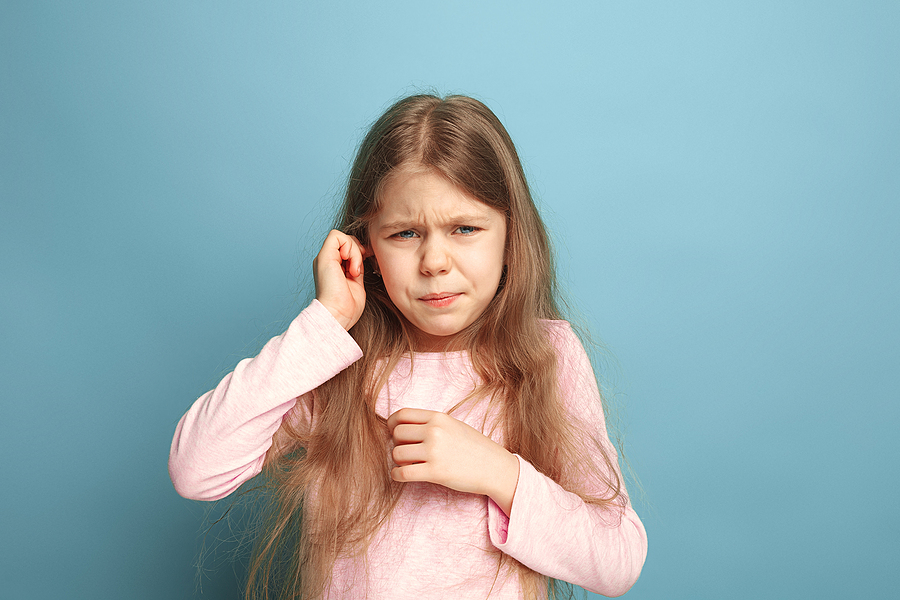
As a parent, you do everything possible to keep your child healthy. Yet trips to daycare, playgroups, and school expose your child to so many germs. That leads to colds and coughs that progress into respiratory infections.
It seems that every other week, you’re back at the pediatrician’s office with another round of fevers and an ear infection or sinus infection. It’s so hard to see your child in pain, but each time the infection clears up, it’s back just as quickly.
Any fever of 100.4°F or higher keeps your child home, which means you’re using up a lot of personal time or vacation days. Worse, you might have to take unpaid time off. Your child is missing out, too. It’s another day away from socializing with friends or learning new things. All the missed school days can impact your child’s education.
Recurrent ear or sinus infections don’t have to be a permanent part of your child’s life. A Fresno pediatric allergist helps determine the underlying cause and develop a treatment plan that prevents the immune system from overreacting.
Where does the crossover between ear and sinus infections and your child’s allergies lie? You have to take a step back and look at your child’s anatomy. Remember that all the sinus cavities and tubes we’re about to talk about are still growing as your child grows.
Looking at the nose, the nostrils lead to several sinuses found under the eyes, between the eyes, and the bridge of the nose, and above the eyebrows. There’s also a very small opening to the Eustachian tubes that lead to your ears.
When you have allergies, your immune system overreacts to allergens such as mold, pollen, and dust mites. This triggers an inflammatory response that causes your nasal passages and sinuses to swell.
Swollen sinuses don’t drain properly. Even with the excess mucus production helping flush allergens from the sinuses, if the mucus is thick and sticks, bacteria can develop, leading to a sinus infection.
This swelling can obstruct the Eustachian tubes, preventing proper drainage of fluid from the middle ear. When fluid is trapped, it can lead to an ear infection.
Allergies also cause Eustachian Tube Dysfunction (ETD) in some people. Because the tube is narrowed, it creates uneven air pressure between the middle ear and the opening of the ear, which makes the ears feel plugged and achy.
If allergies are not managed, the problems keep recurring. Each time an ear or sinus infection clears, it returns shortly afterward. Allergies need to be managed for recurrent infections.
Your child will get sick from time to time. Immunizations help keep some of the worst symptoms at bay, but your child will get a cold, a stomach bug, or strep throat. It’s hard to avoid all germs.
Knowing the signs that repeat infections aren’t normal is important. Look for these signs.
Your child’s pediatrician recommends seeing an ENT about tubes; make sure it’s the best decision. An otolaryngologist (ENT) is best when your child’s pediatrician diagnoses:
An ENT cannot help with ear and sinus infections linked to allergies. Your child should see an allergist if:
When you bring your child to an allergy specialist, prepare your child for:
Advocate for your child. Adenoid removal and ear tube surgeries improve drainage by removing obstructing tissue and making it easier for the ears to drain. It’s still surgery, however. When the tubes fall out and the adenoids return, the problems will return.
Recurrent ear infections impact speech and hearing. If your pediatrician prescribes antibiotics to treat an infection, bacteria can develop resistance, making it harder to treat the infection months or years later.
Your child’s quality of life declines. When your child’s sinuses or ears ache, and breathing is difficult, it’s hard to focus on school. Activities with friends are no longer fun. Worse, it impacts your child’s sleep. Poor sleep leads to so many other problems, such as moodiness, reduced concentration, and poor decision-making.
Diagnosing allergies and developing effective treatment plans can end the inflammation that leads to infections. It’s the reason we recommend that all children with recurrent ear and sinus infections see an allergist.
When you go to your first Fresno allergy appointment, bring this list of questions.
If your child experiences sinus symptoms for months without a break, it’s time to see an allergist. More than a couple of ear infections in one year is a problem. It’s frustrating, but some solutions end your child’s discomfort.
With an allergist’s help, your child has a treatment plan that effectively addresses the allergies causing recurrent infections. Your child returns to an active childhood, without missing school or being forced to stay indoors while friends enjoy Fresno’s sun.
Why allow your child to go through repeated infections unnecessarily? Schedule an appointment with Premium Allergy & Respiratory Center and take the first steps toward helping your child feel better and experience an allergy-free life.
Could a sting that starts with a sore, swollen spot become an emergency? The difference often comes down to whether symptoms stay near the sting or... Continue reading
READ MORE
Could symptoms that flare around your pet have more than one explanation? Sneezing, itchy eyes, or congestion after time with an animal can raise a... Continue reading
READ MORE
Could a swollen, painful sting site mean something different from a dangerous allergic reaction? If you’re unsure what your symptoms meant or worried... Continue reading
READ MORE
What if the pollen, dust mites, or mold you suspect aren’t the whole story behind your symptoms? Environmental allergy testing can help identify... Continue reading
READ MORE